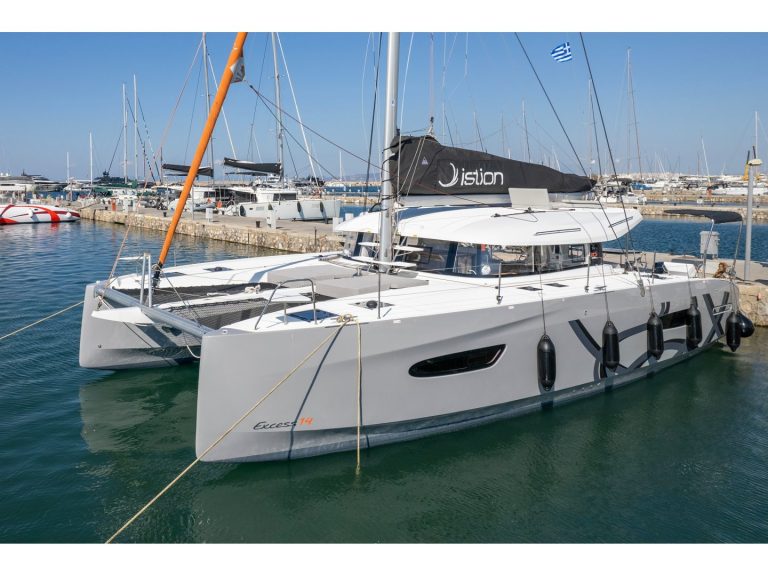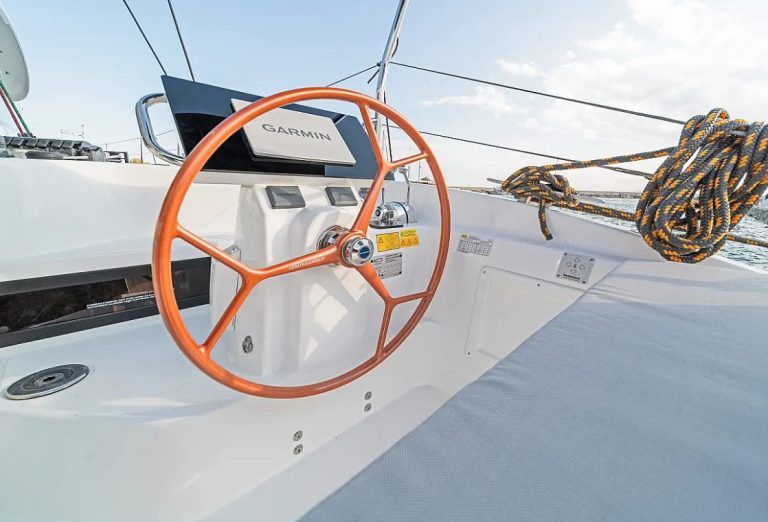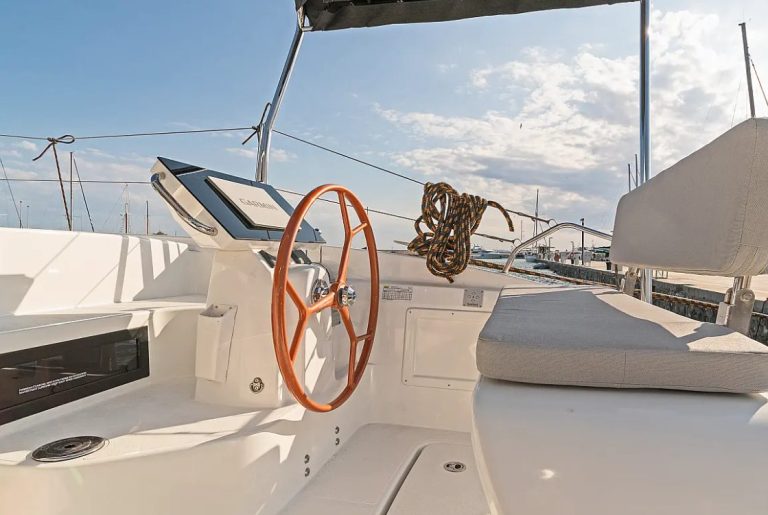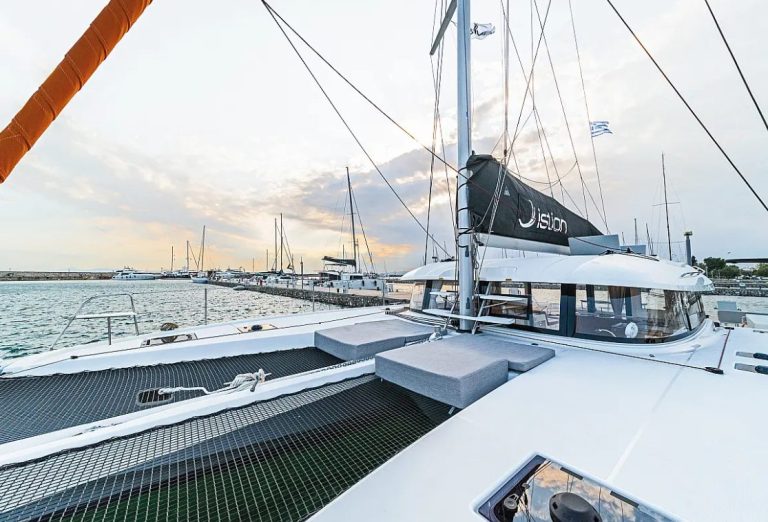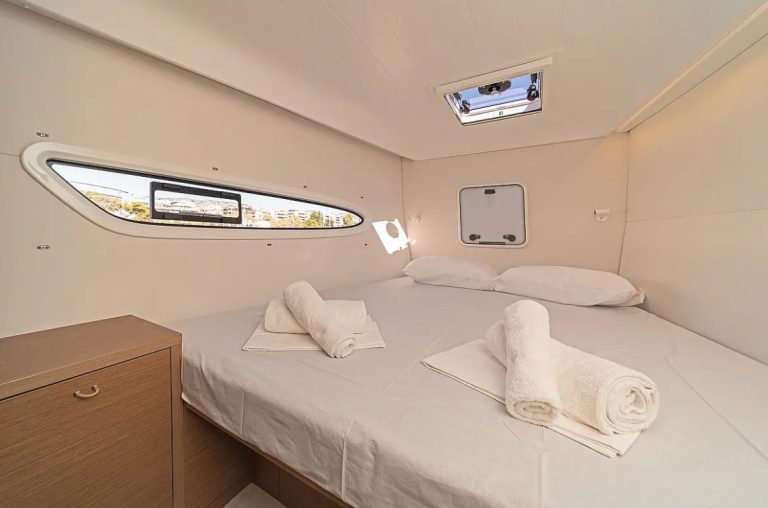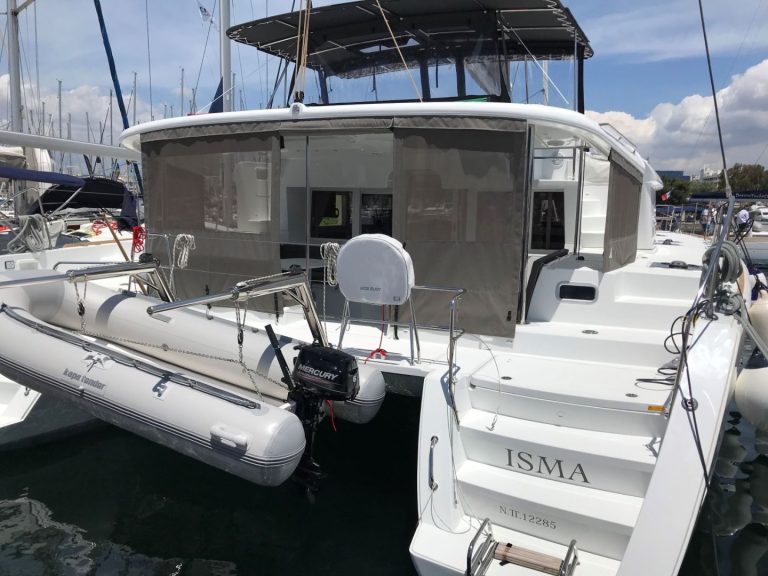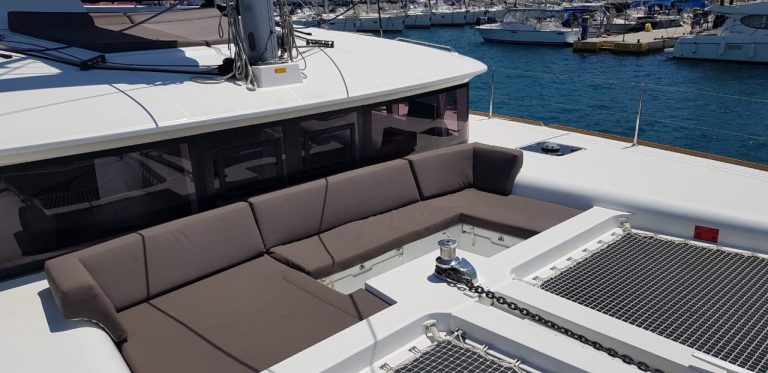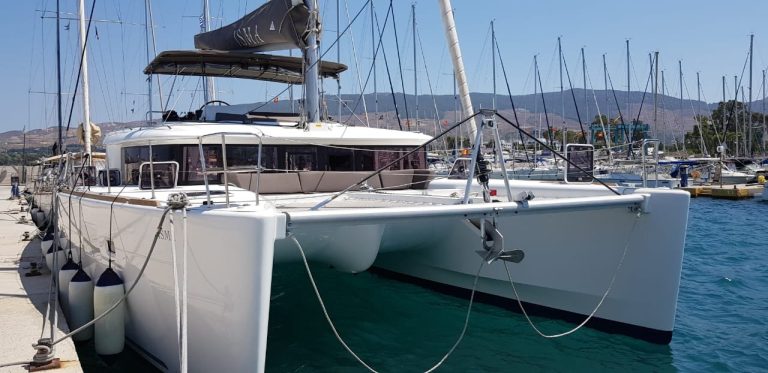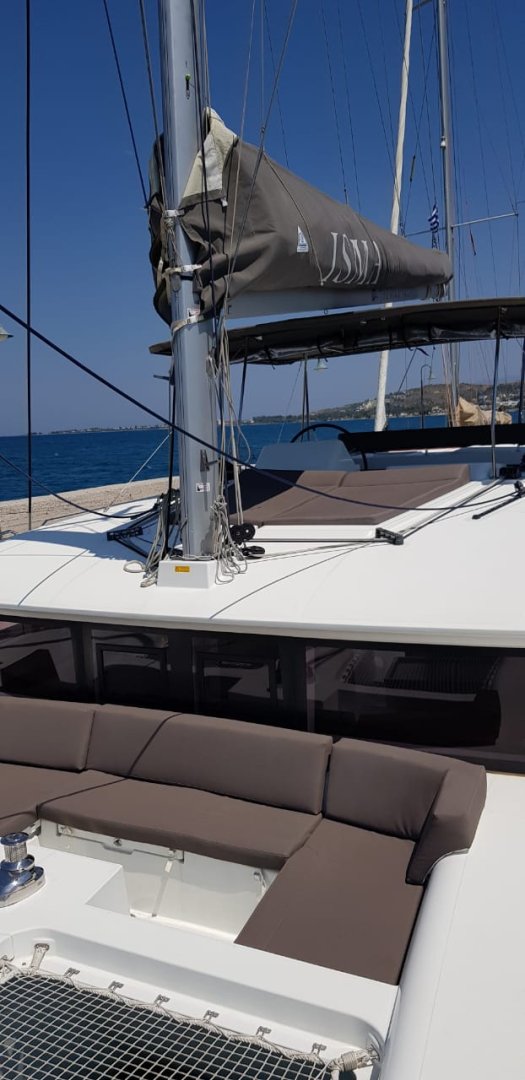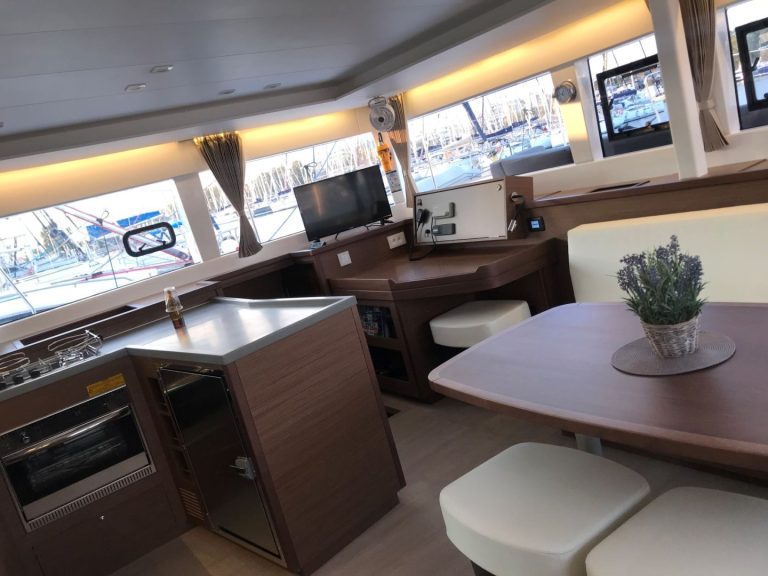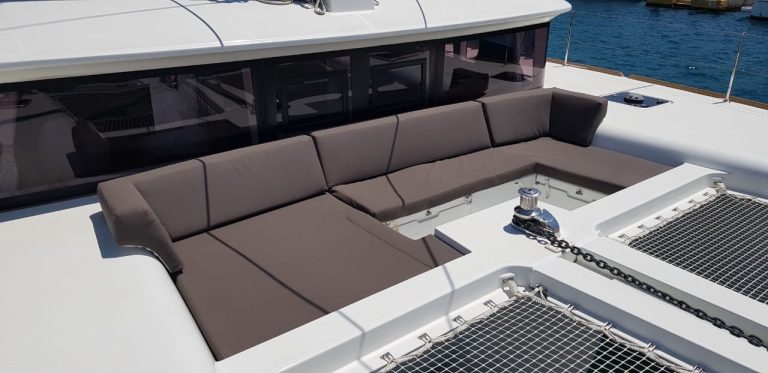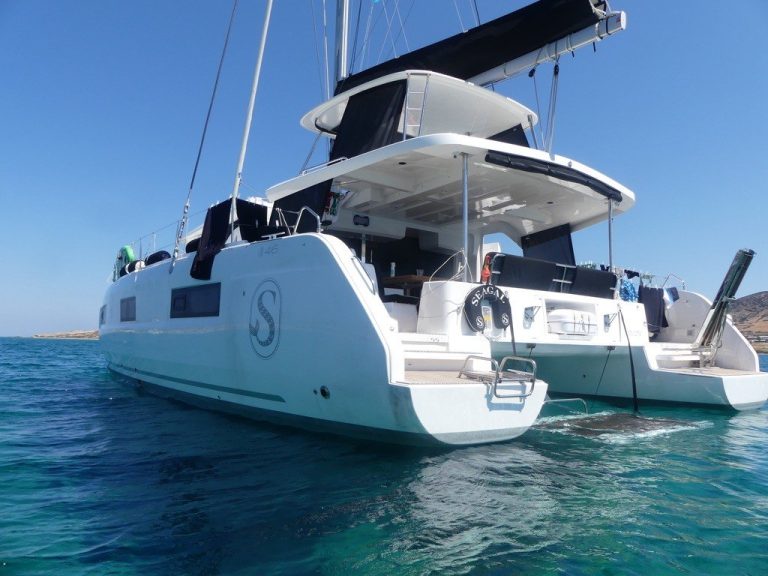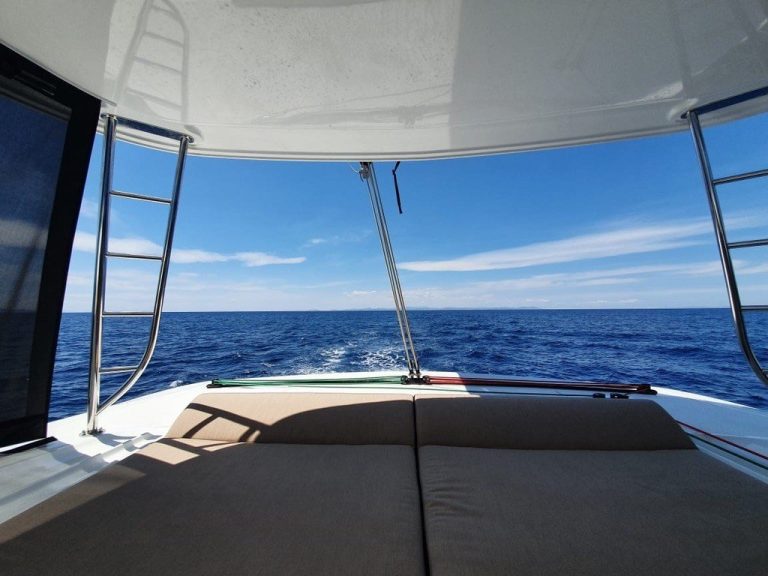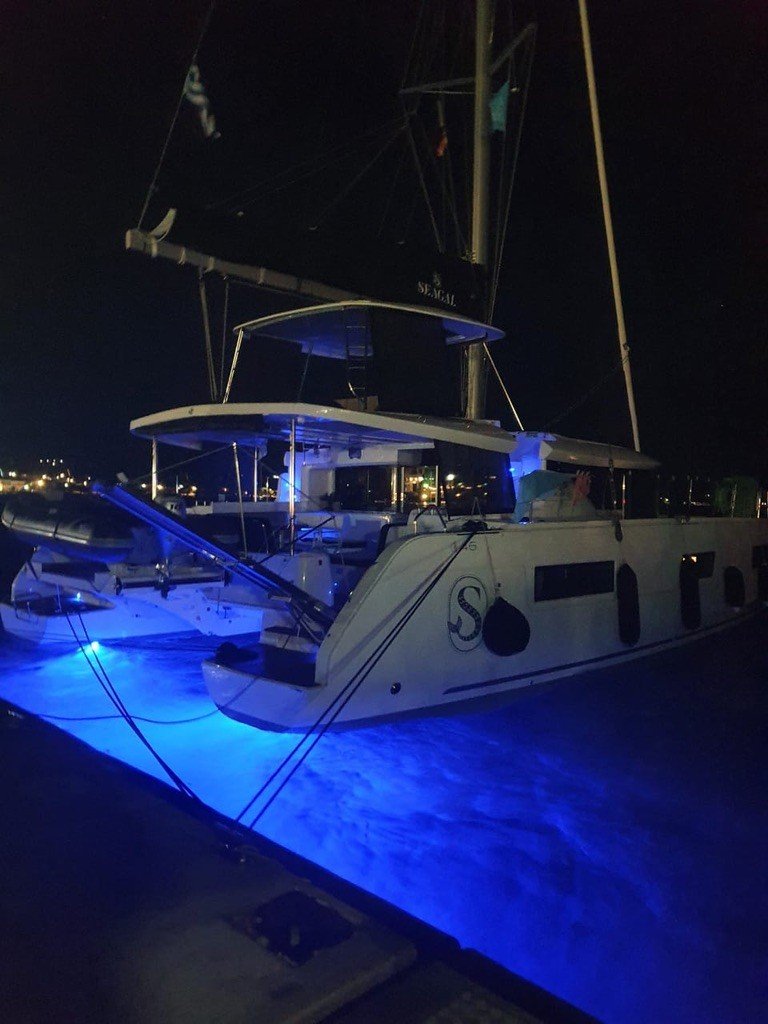
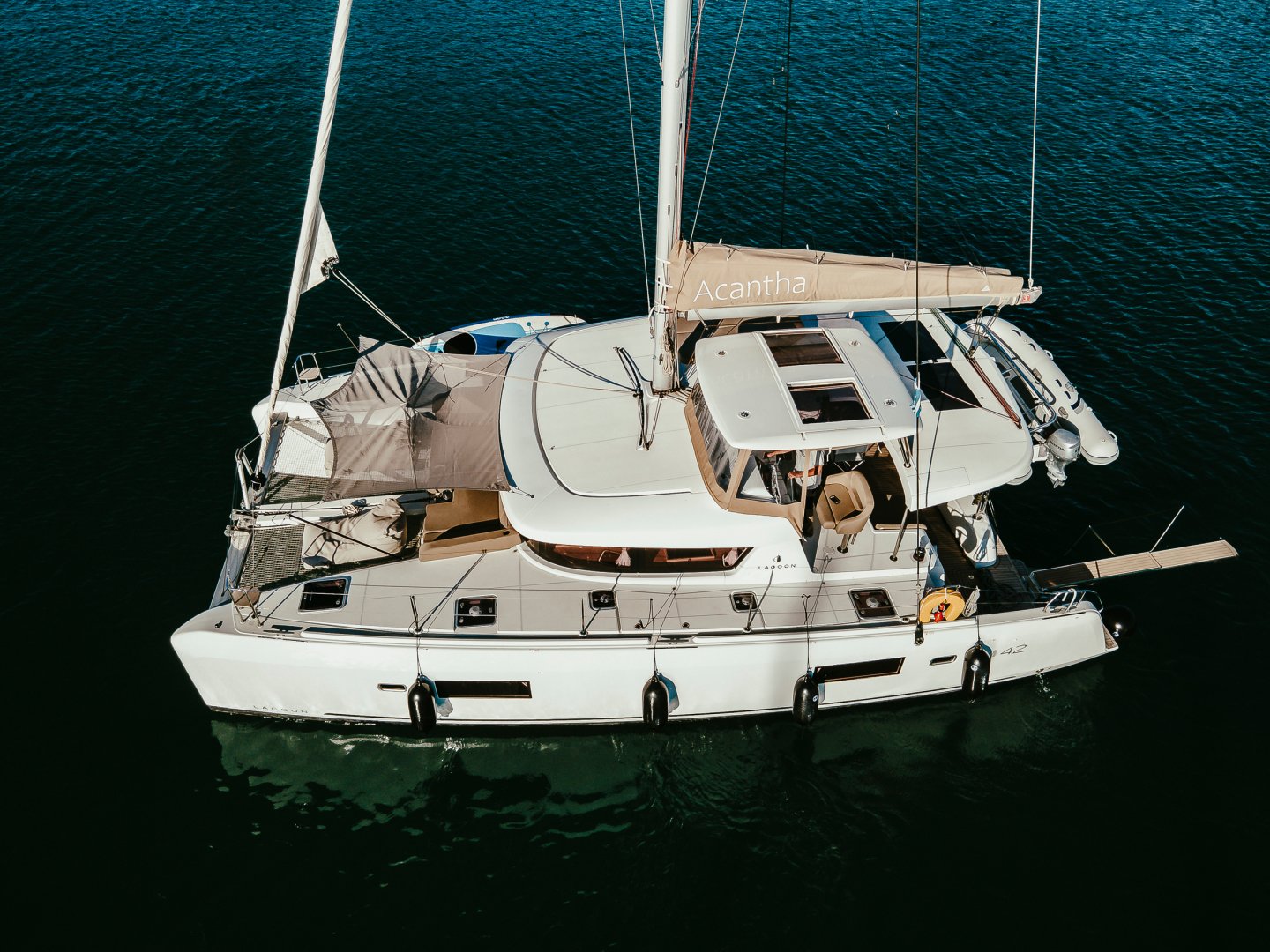
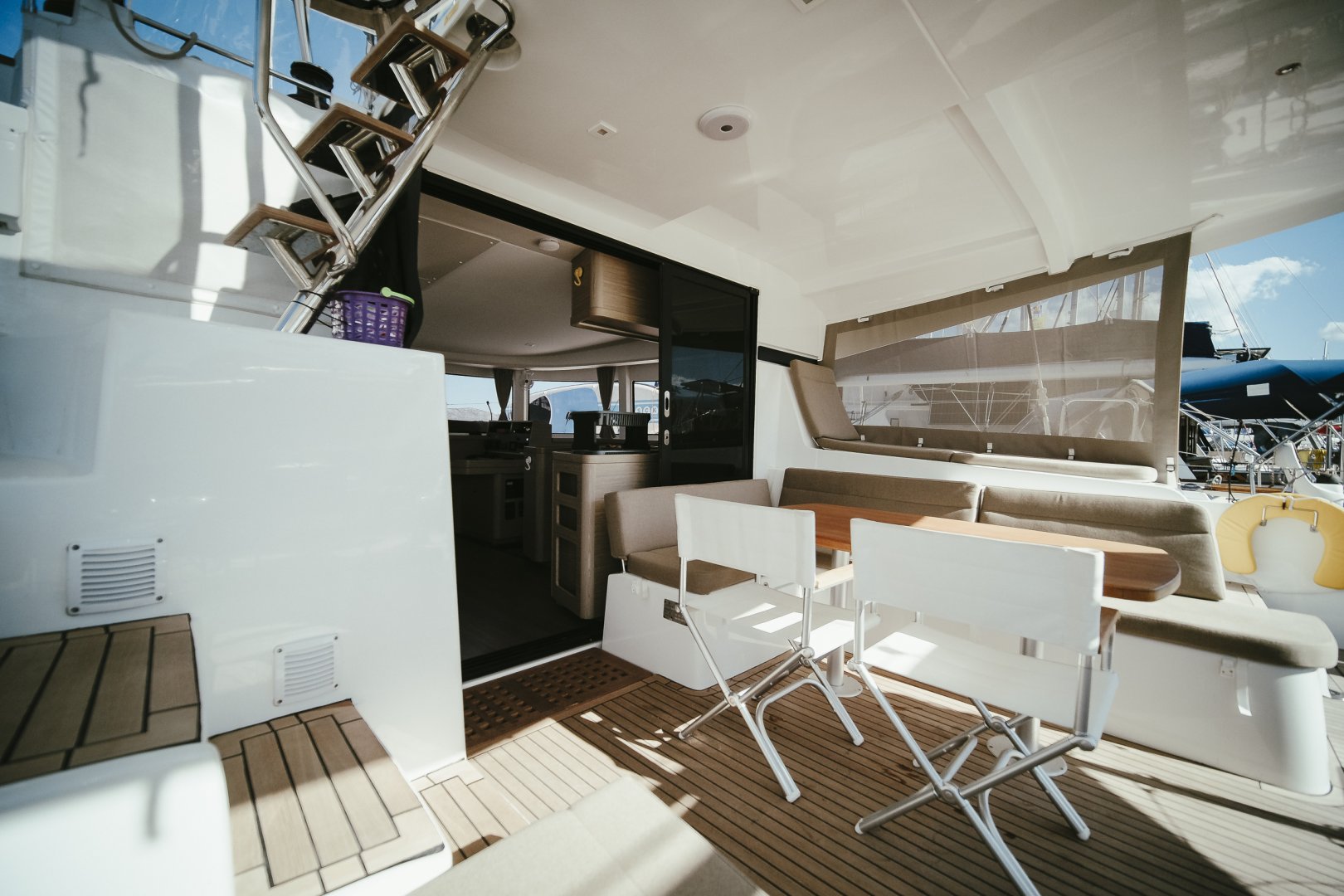
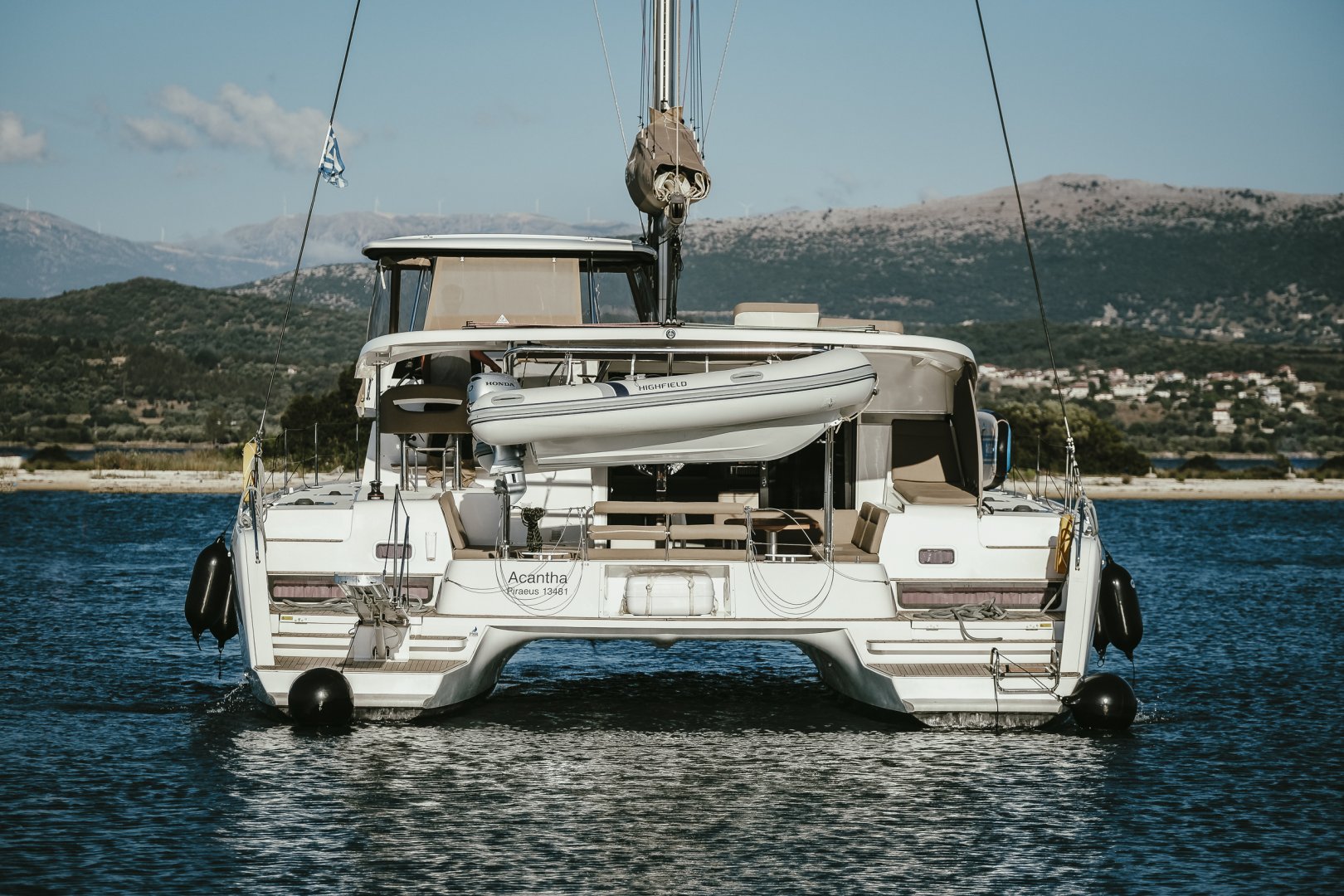
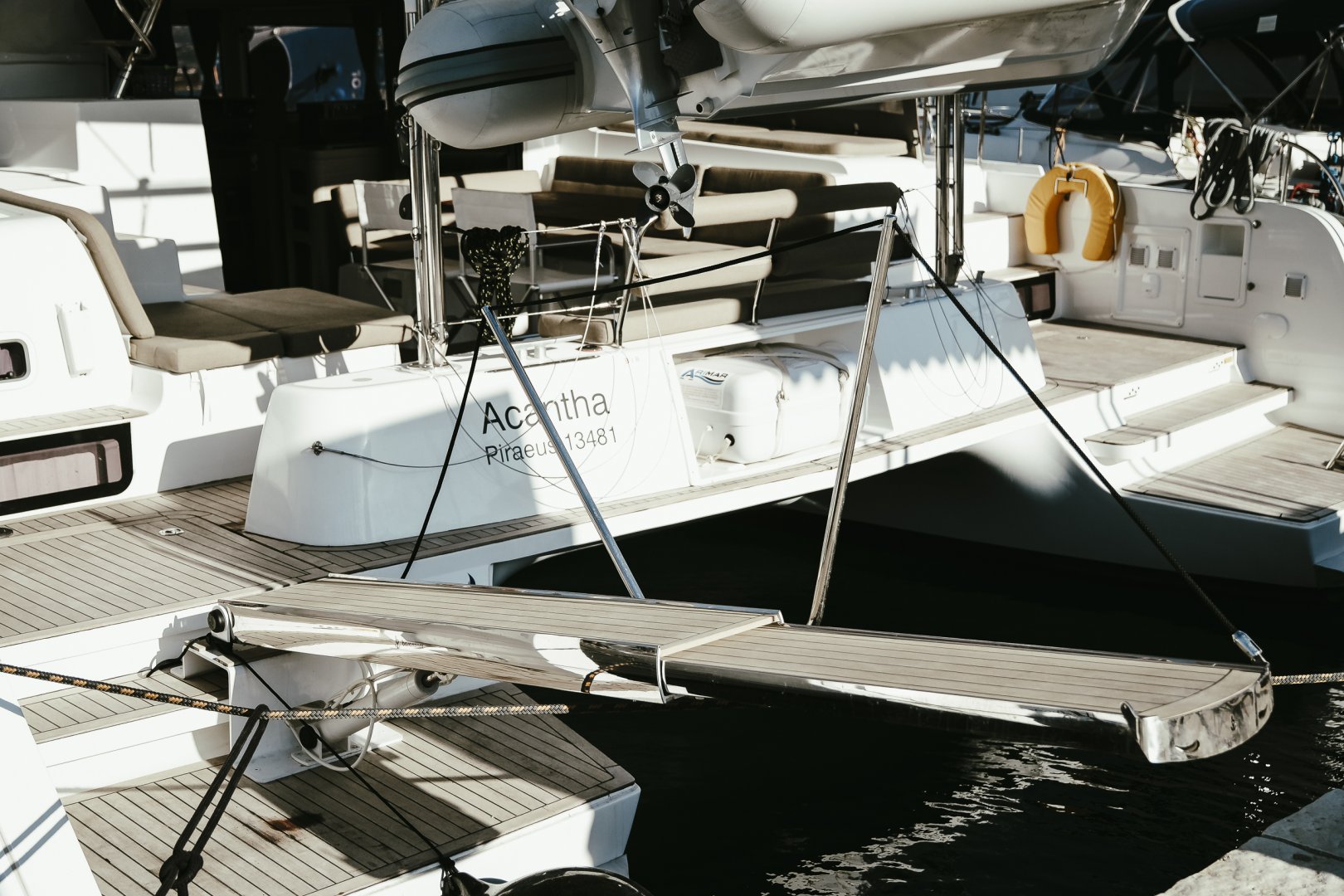
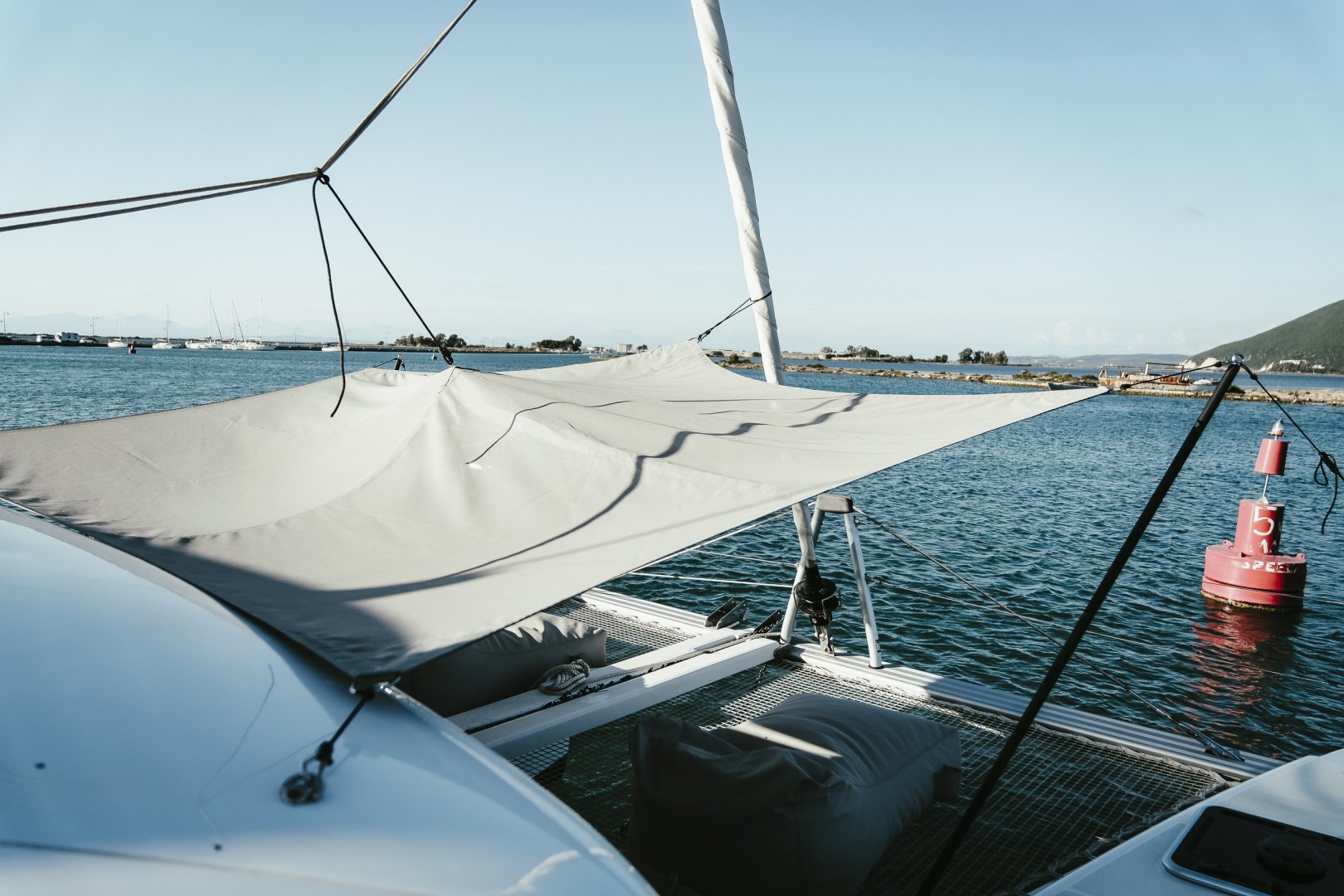
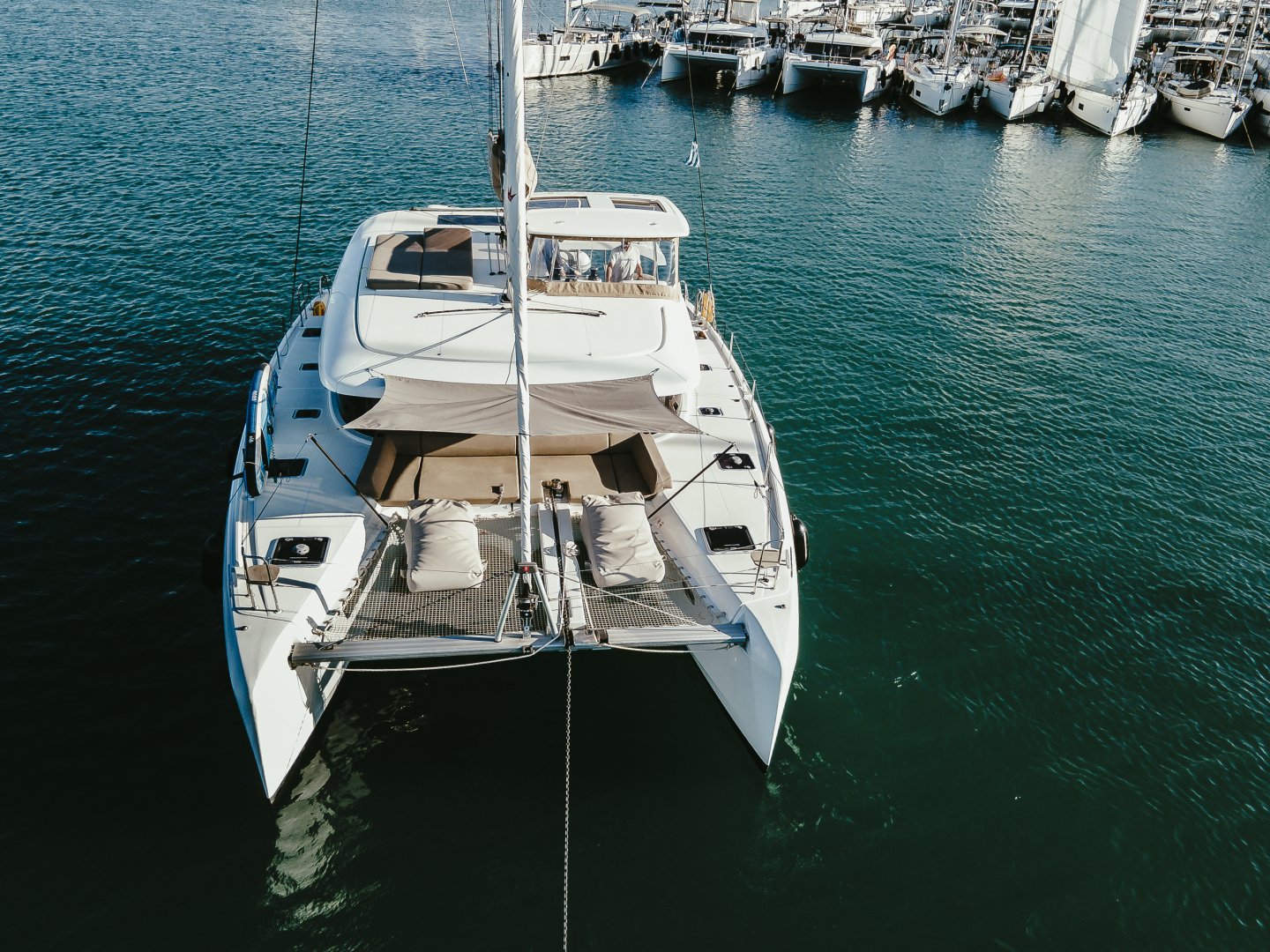
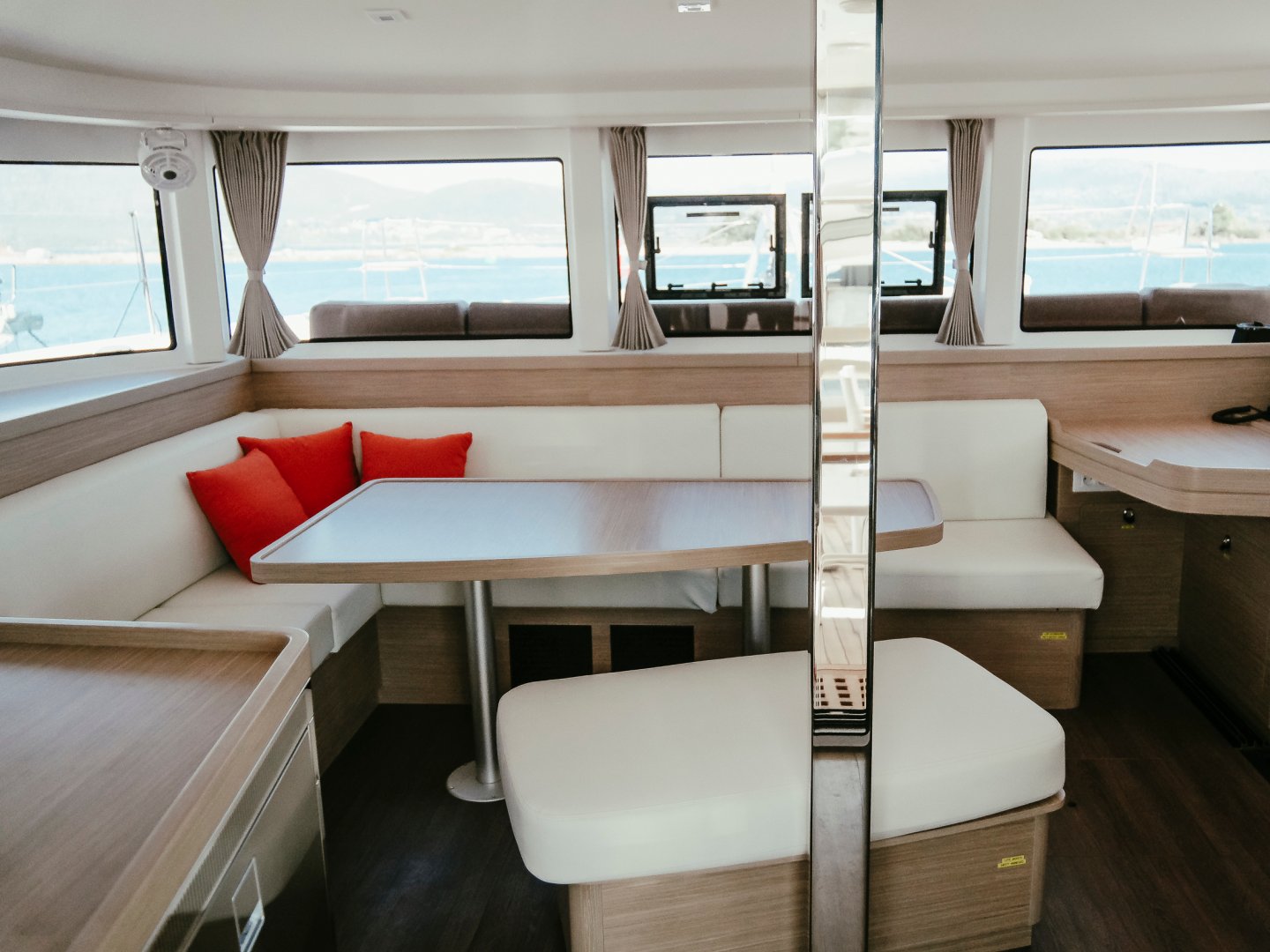
Acantha · Lagoon 42
Verfügbarkeit für die nächsten 30 Wochen
Über diese Yacht Acantha
Die Buchung gilt erst nach vollständigem Eingang der ersten Zahlung als gültig. Jede überfällige Zahlung führt zur vom Charterer akzeptierten Stornierung der Charter; die Stornierungsbedingungen gelten.
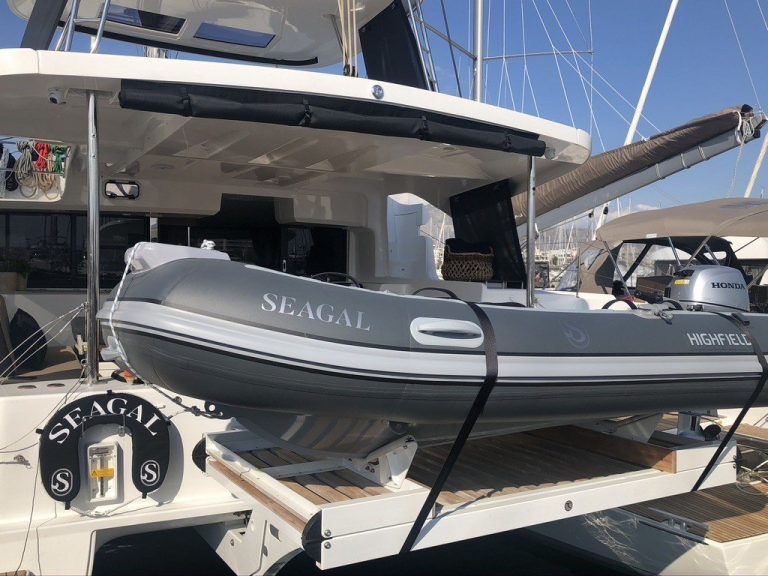
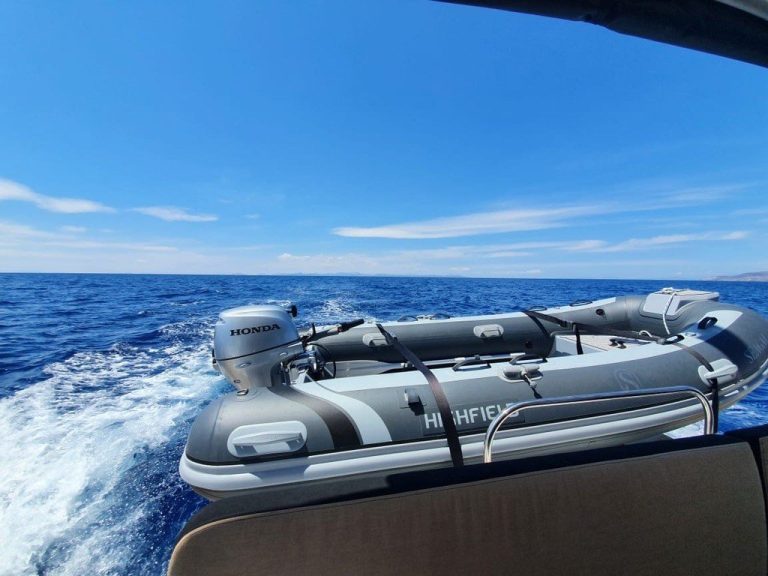
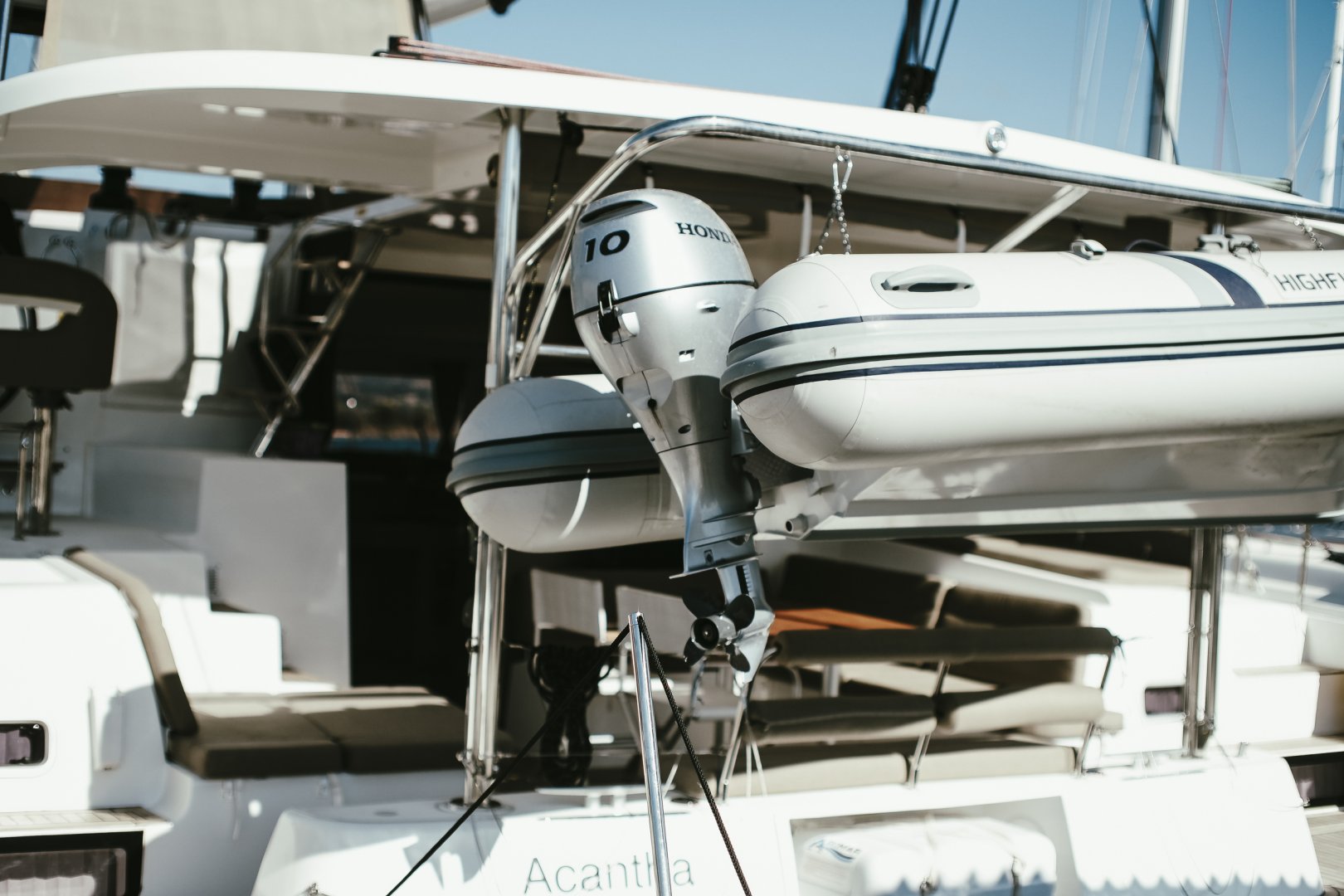
Im Charterpreis enthalten: Yacht, Transit Log (Endreinigung), aktuelle MwSt. und sonstige Steuern, Nutzung der Yachtausrüstung, Bettwäsche und Handtücher (ein Set/Person/Woche), Autopilot, Beiboot mit Außenborder, volle Wasser- und Kraftstofftanks, Gasflaschen für die Küche, Tauchmasken und Flossen, Willkommenspaket (in Europa ausgezeichneter griechischer Wein, Wasser, lokale Spezialitäten, kleine Artikel, Handseife für jedes Boot, Salz und Pfeffer, Spülmittel, Schwamm und Reinigungstuch, Toilettenpapier für jede Kabine, Müllbeutel für kleine und große Abfalleimer), Liegegebühr in der Marina Lefkas für den ersten und letzten Chartertag.
Nicht im Charterpreis enthalten: Kraftstoff abhängig von der Route, Liegekosten in Häfen außer am ersten und letzten Tag sowie Strom und Wasser abhängig vom jeweiligen Hafen, Supermarkteinkäufe, Verpflegung der Crew und Trinkgelder nach Ermessen des Kunden, Einweggebühren, Crewwechsel und weitere optionale Extras.
APA (Advance Provisioning Allowance): Zu Charterbeginn erhält der Skipper einen Barbetrag für Ausgaben während der Charter, die der Charterer trägt. Ist dieser Betrag während der Reise aufgebraucht, legt die Crew eine detaillierte Kostenaufstellung vor und bittet um eine weitere Zahlung für die verbleibenden Tage. Am Charterende erhalten die Gäste eine vollständige Kostenaufstellung und den verbleibenden Betrag zurück. Die APA beträgt üblicherweise 25% des Charterpreises und dient als praktische Vorauszahlung.
Check-in: Einschiffung am Samstag um 17:00
Check-out: Ausschiffung am Samstag um 9:00
Rückkehr zur Basis: obligatorisch am Freitag spätestens um 17:00, damit die Yacht der nächsten Charter in einwandfreiem Zustand übergeben werden kann. Übernachtung an Bord bis Samstag um 9:00.
Basis: Unser Büro befindet sich in der Marina Lefkas, Hermes Complex, 31100 Lefkada, Griechenland.
Versicherung: Alle Boote sind gegen Haftpflichtansprüche Dritter sowie Schäden an Rumpf, Maschinen und Ausrüstung versichert.
Optionale Extras:
– TRANSFER VOM FLUGHAFEN PRV (AKTION) ZUR BASIS LEFKAS: 45 EUR/TAXI, MAX. 4 PERSONEN; 80 EUR/MINIVAN, MAX. 8 PERSONEN
– EINWEGGEBÜHR LEFKAS-KORFU: 700 EUR, INKL. NACHTANKEN UND ÜBERFÜHRUNG
– CREWWECHSEL
– FRÜHER CHECK-IN BIS 14:00: 100 EUR
– WLAN MIT UNBEGRENZTEM DATENVOLUMEN: 50 EUR PRO WOCHE
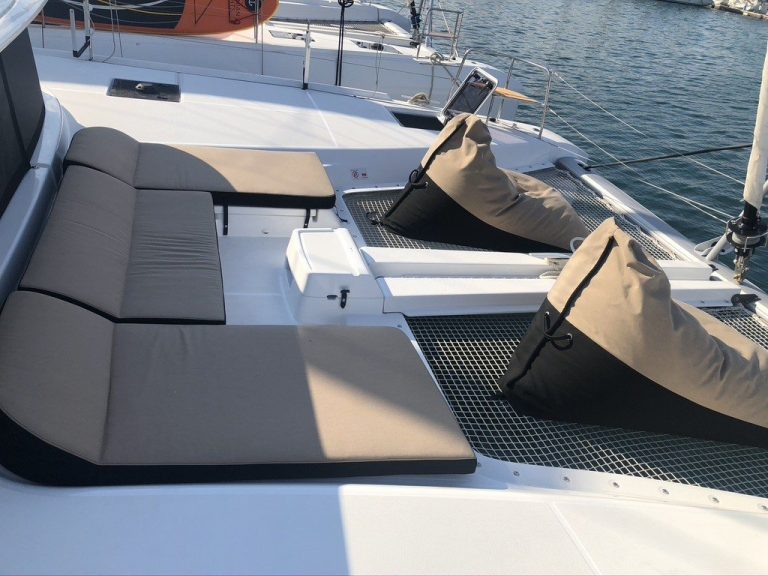
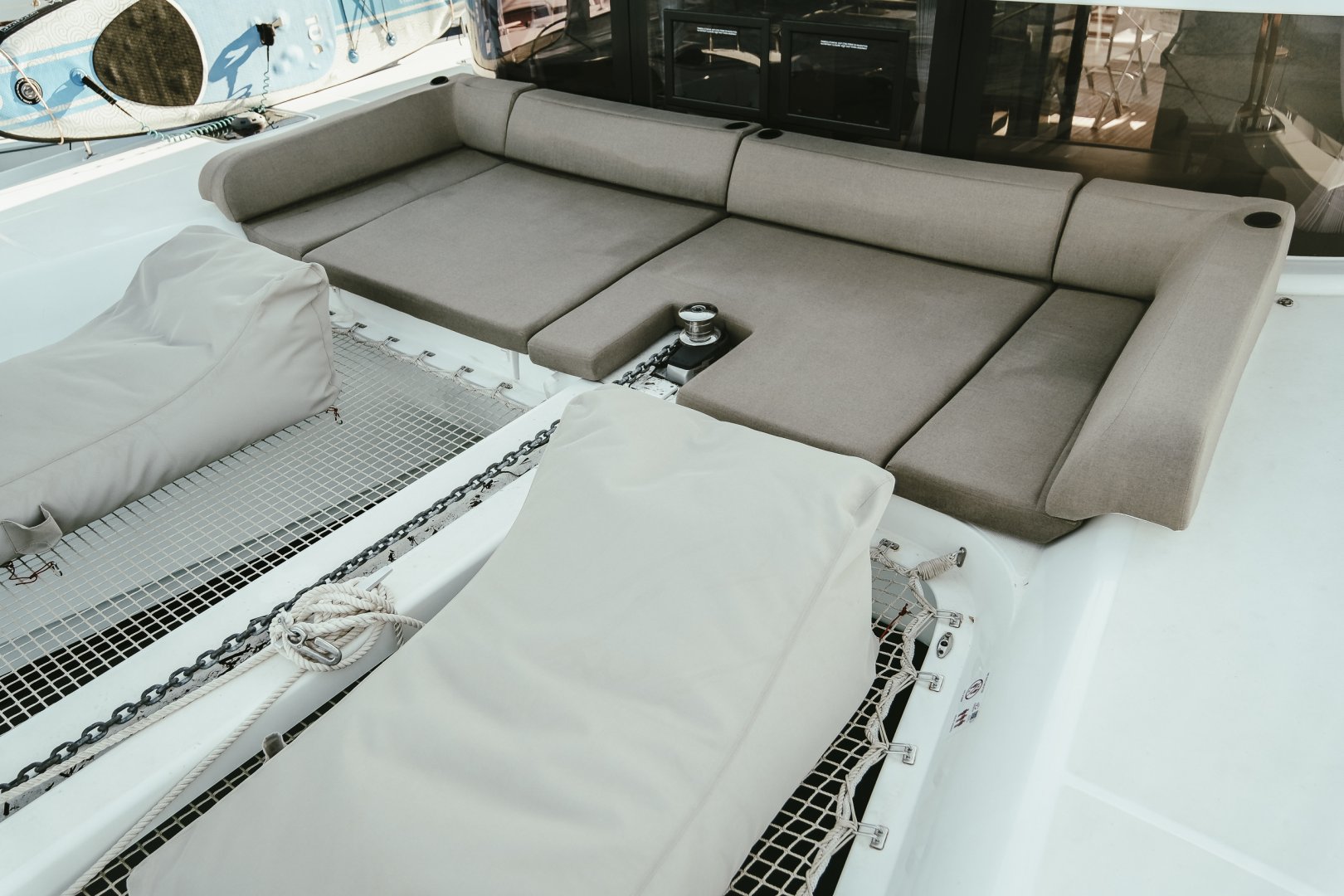
– SICHERHEITSNETZ MIT MONTAGE: 150 EUR PRO BUCHUNG
– SUP: 100 EUR PRO WOCHE
– KANU/KAJAK: 100 EUR PRO WOCHE
– SCUBAJET: 500 EUR PRO BUCHUNG
– JETSURF: 800 EUR PRO WOCHE
– KLEINER GRILL: 90 EUR PRO BUCHUNG
– GRILL (BARBECUE): 150 EUR PRO BUCHUNG
– STRANDTÜCHER: 5 EURO PRO PERSON
– AUTOMATIK-RETTUNGSWESTEN: 30 EUR PRO WOCHE
– HAUSTIERE, DIE STETS IM AUSSENBEREICH DES BOOTS BLEIBEN MÜSSEN: 200 EUR.
– VORBESTELLUNG VON PROVIANT: 0 EURO
BITTE KONTAKTIEREN SIE DAS BÜRO FÜR BESTELLUNGEN MINDESTENS 7 TAGE VOR ANKUNFT.
Verantwortung des Charterers: Bei Ankunft an der Basis ist eine erstattungsfähige Kaution von 1000 Euro per Kreditkarte zu hinterlegen. Der Charterer haftet nicht für Schäden durch das Handeln des Skippers oder anderer Kapitäne beziehungsweise Yachten und auch nicht für wetterbedingte Schäden. Er haftet ausschließlich für Schäden an Yacht und Ausrüstung, die er selbst oder andere Gäste verursachen.
Stornierungsbedingungen: Storniert der Charterer die Charter aus beliebigem Grund, gelten abhängig vom Zeitraum zwischen Buchungsbestätigung und Stornierungsdatum folgende Bedingungen:
A. Stornogebühr von 30% des gesamten Charterpreises bei Stornierung mehr als 60 Tage vor der Einschiffung.
B. Stornogebühr von 50% des gesamten Charterpreises bei Stornierung 60-30 Tage vor der Einschiffung.
C. Stornogebühr von 100% des gesamten Preises bei Stornierung weniger als 30 Tage vor der Einschiffung.
Wird das Boot für denselben Zeitraum erneut verchartert, werden die Stornogebühren erstattet.
Crewregeln – Pflichten des Skippers: Der Skipper ist für Ihre Sicherheit und die Führung der Yacht verantwortlich, informiert sich über das Wetter und schlägt mögliche Ziele vor. Er stellt üblicherweise Häfen, Buchten und Routen zur Auswahl, damit die Gäste eine passende Route wählen können. Gesegelt wird nur, soweit das Wetter es erlaubt. Nachtfahrten sind nicht zulässig; die Yacht muss bei Tageslicht an einem sicheren Ort ankern. Ankern in Buchten außerhalb von Häfen ist bei geeigneten Wetterbedingungen möglich. Der Skipper muss die Sicherheits- und Wetteranweisungen der Küstenwache befolgen. Bei angekündigten Winden von 6 oder mehr Beaufort darf er den Hafen nicht verlassen. Bei der wetterbedingten Wahl einer sicheren Route, eines Hafens oder einer Bucht hat der Skipper das letzte Wort.
Crewregeln: Der Charterer trägt während der Charter die Verpflegungskosten der Crew außerhalb der Yacht. Dieser Betrag entfällt, wenn die Gäste die Crew zum Essen einladen und diese die Einladung annimmt. Die Crew erwartet Trinkgeld, das jedoch nur bei verdienter Leistung und stets nach Ermessen des Kunden gegeben wird.
Gesundheit an Bord: Unsere oberste Priorität ist eine herzliche, vertraute und sichere Umgebung. Unser Team wurde entsprechend seiner Tätigkeit in den neuen Gesundheitsprotokollen geschult. Reinigung und Desinfektion aller Bereiche wurden verstärkt, insbesondere an häufig berührten Stellen wie Griffen und Handläufen.
Die offizielle Einschiffung erfolgt gemäß Vertrag um 17:00. Für eine wirksame Reinigung und Desinfektion kann sich die Einschiffung innerhalb angemessener Grenzen verzögern.
Zur Sauberhaltung sind Schuhe im Bootsinneren nicht erlaubt. Vor der Ausschiffung muss die Crew sämtliche Bettwäsche, Kissenbezüge und Handtücher an einer Stelle sammeln sowie Müll aus WC und Küche im nächstgelegenen Abfalleimer entsorgen.
Geprüftes Unternehmen: Wir sind als YACHT-POOL CHECKED & TRUSTED verifiziert. Unsere finanzielle Stabilität und unser hervorragender Kundenservice belegen dies. Dadurch zählen wir zu den besten Charterunternehmen und geben Gästen die Sicherheit, beim richtigen Unternehmen gebucht zu haben.
Alle genannten Bedingungen und Informationen sind wesentlicher Bestandteil dieser Buchungsvereinbarung. Mit einer Zahlung werden die Bedingungen vollständig akzeptiert. Falls Sie einer Bedingung widersprechen, informieren Sie uns bitte innerhalb von 7 Tagen nach Zustellung dieses Vertrags schriftlich.
Bitte stellen Sie Ihre Provisionsrechnung an:
Alexandros Baltogiannis
5-7 Pafou Street
Ioannina 453 32, Griechenland
Steuernummer: 105634989
Finanzamt: Ioannina
Bitte überweisen Sie Ihre Zahlungen an:
NAME: TSOUTSOUDAKI EVGENIA
BANK: PIRAEUS BANK, ARTEMIDOS 3,19016, ARTEMIS
BANKKONTO: 5118-070557-443 EUR
BIC: PIRBGRAA
IBAN: GR41 0172 1180 0051 1807 0557 443
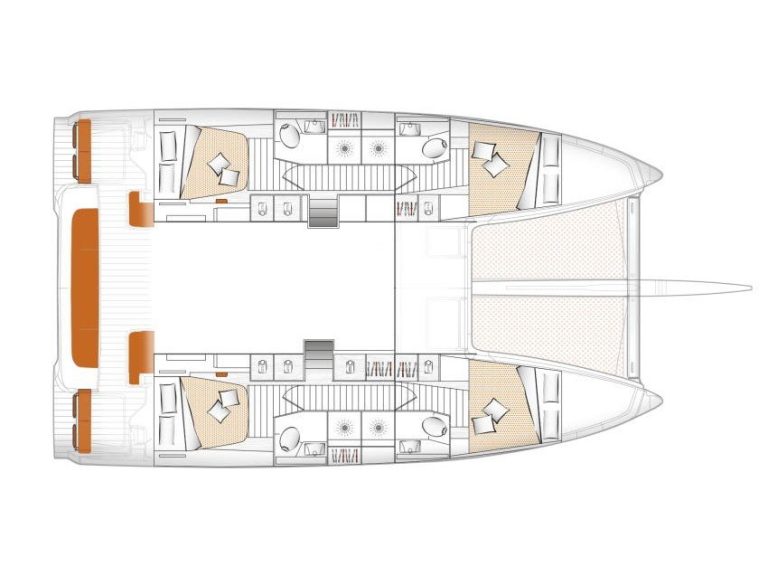
Aufteilung & technische Daten
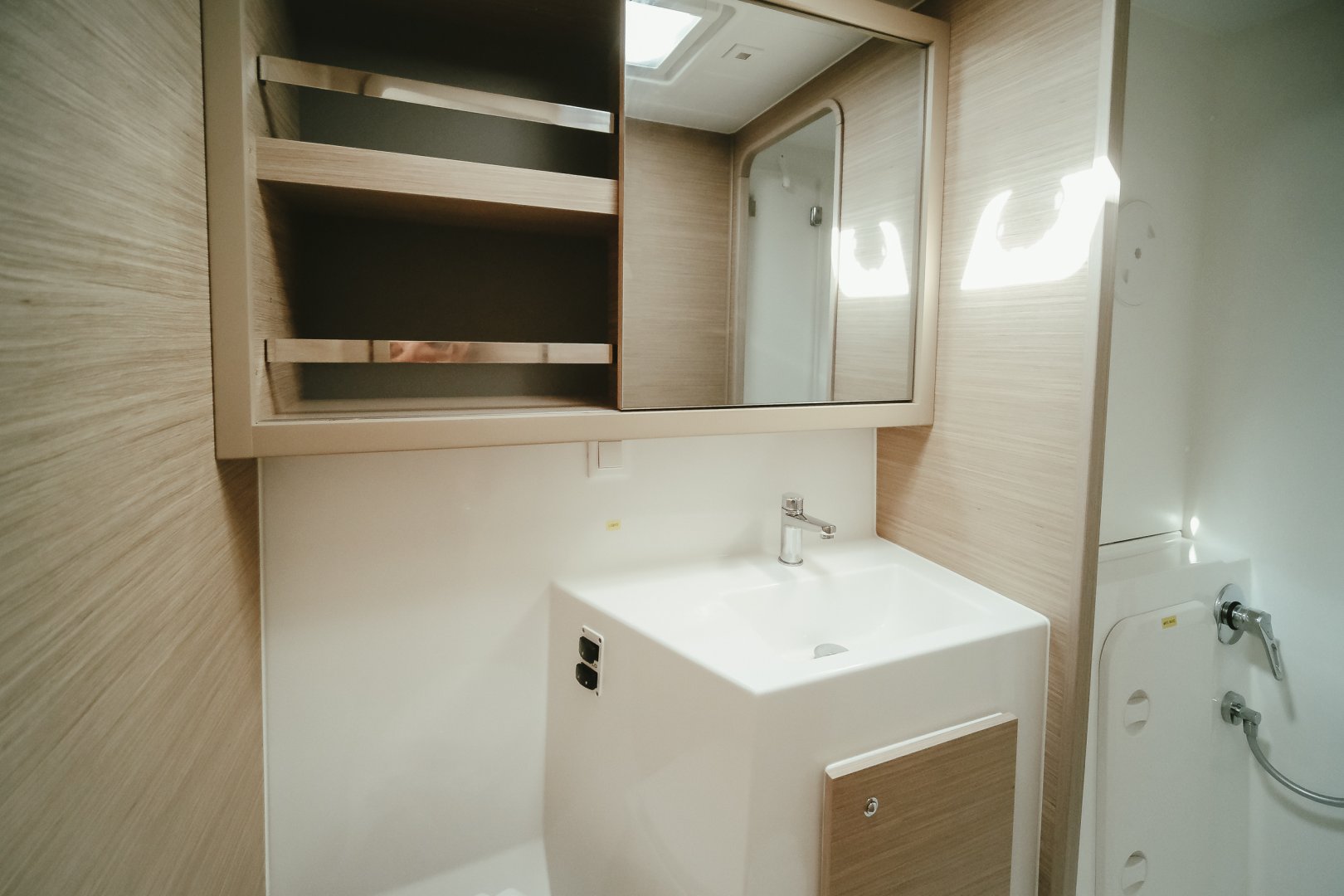
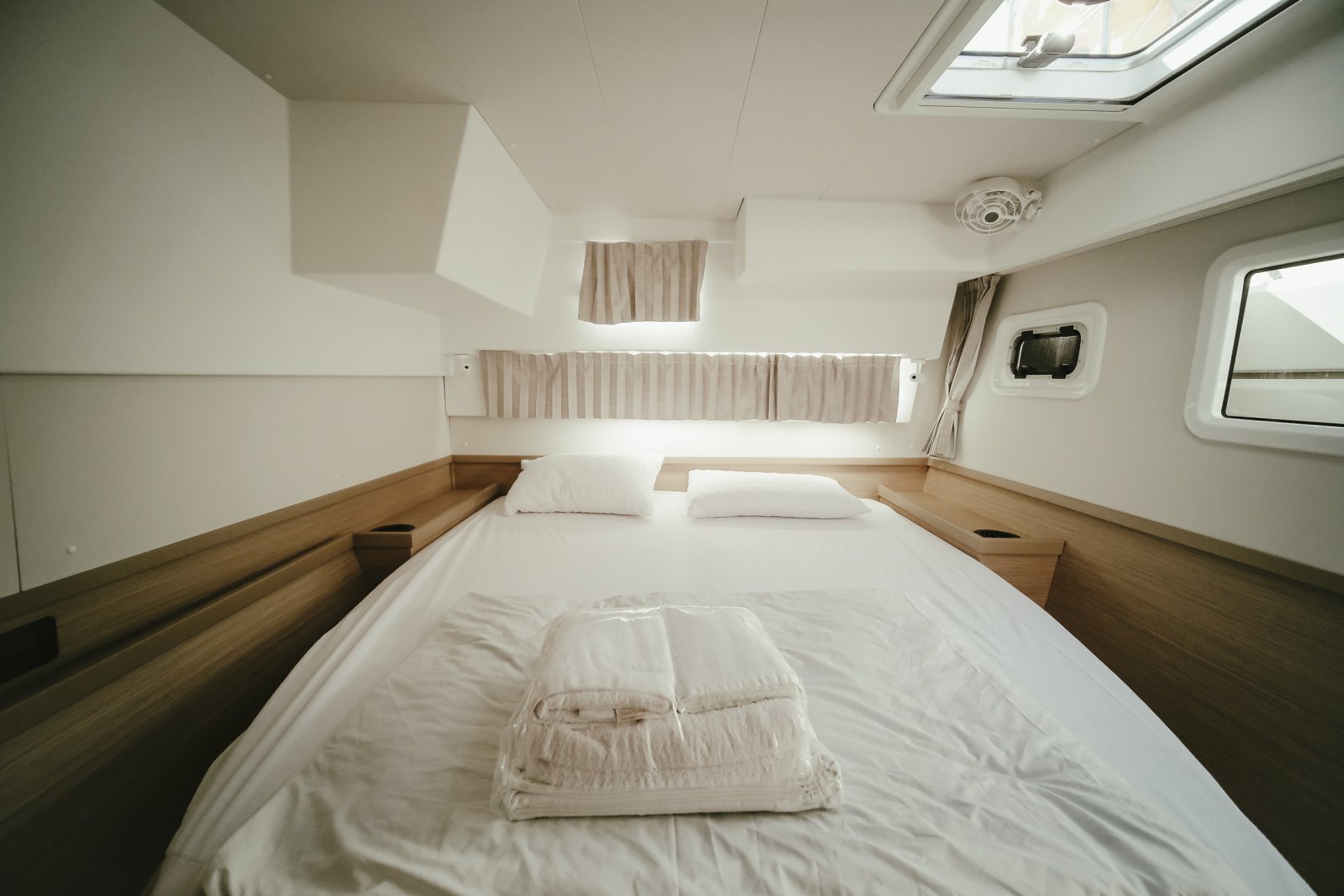
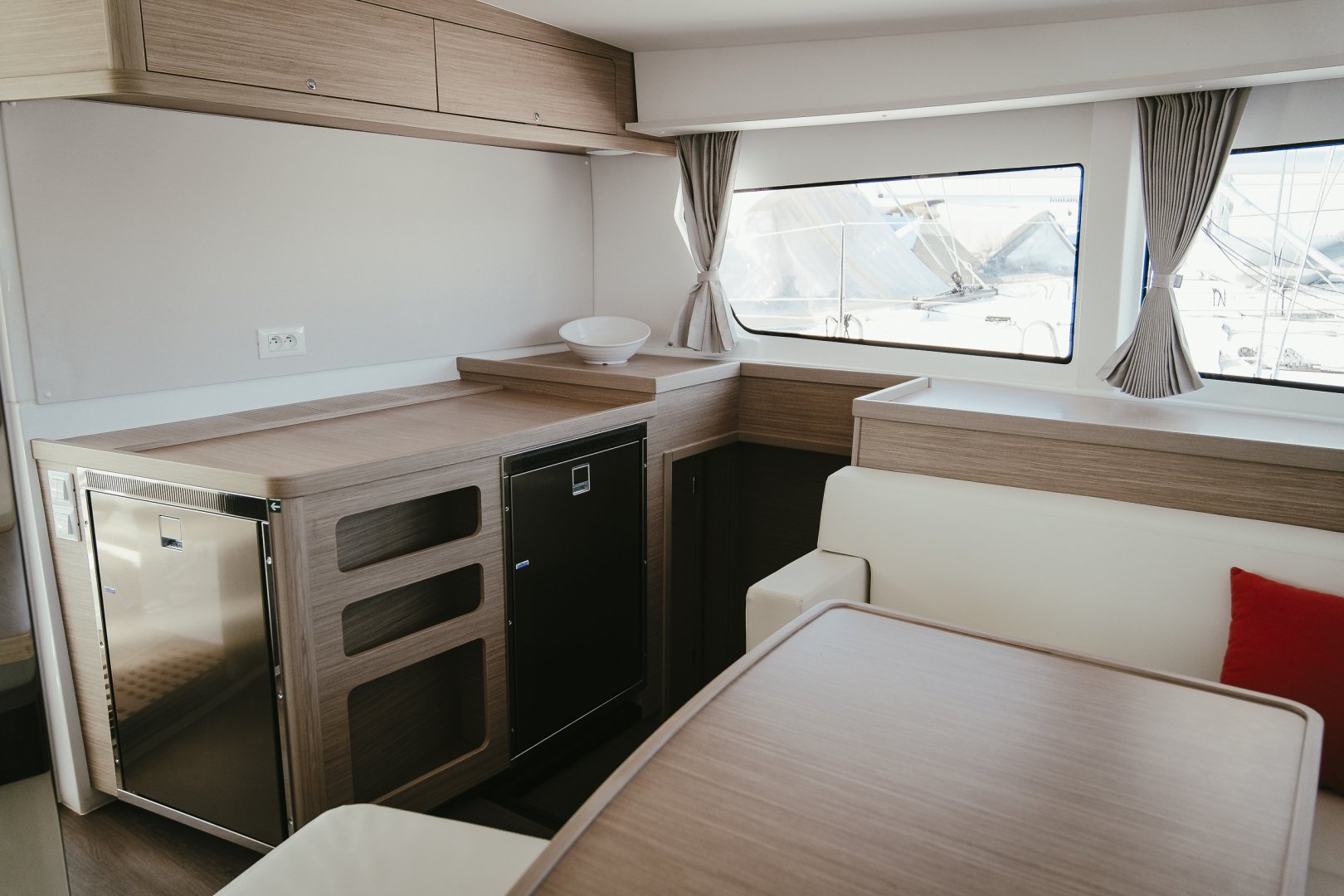
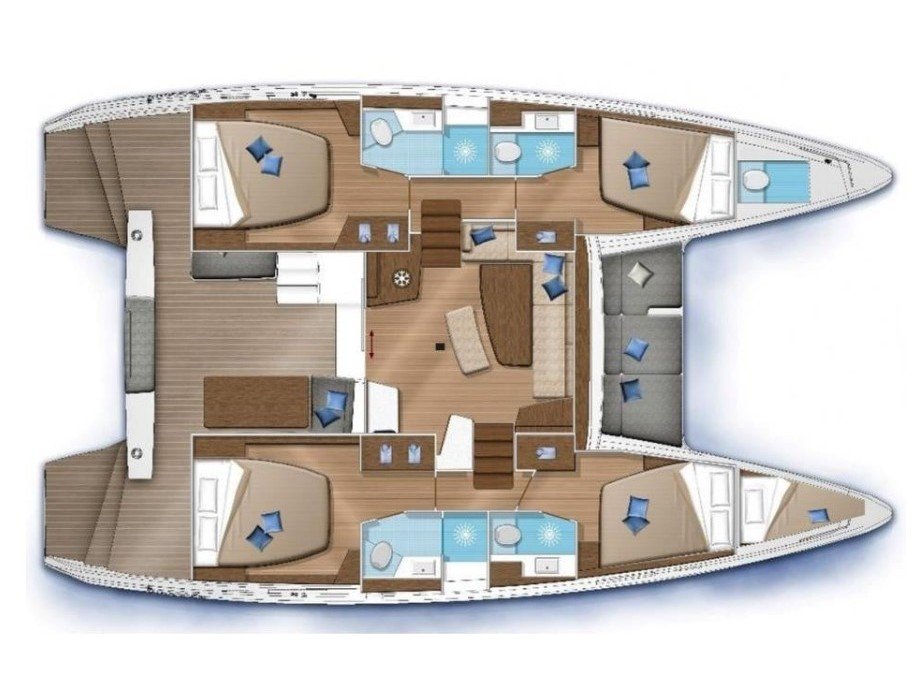
- 4Kabinen
- 8Kojen
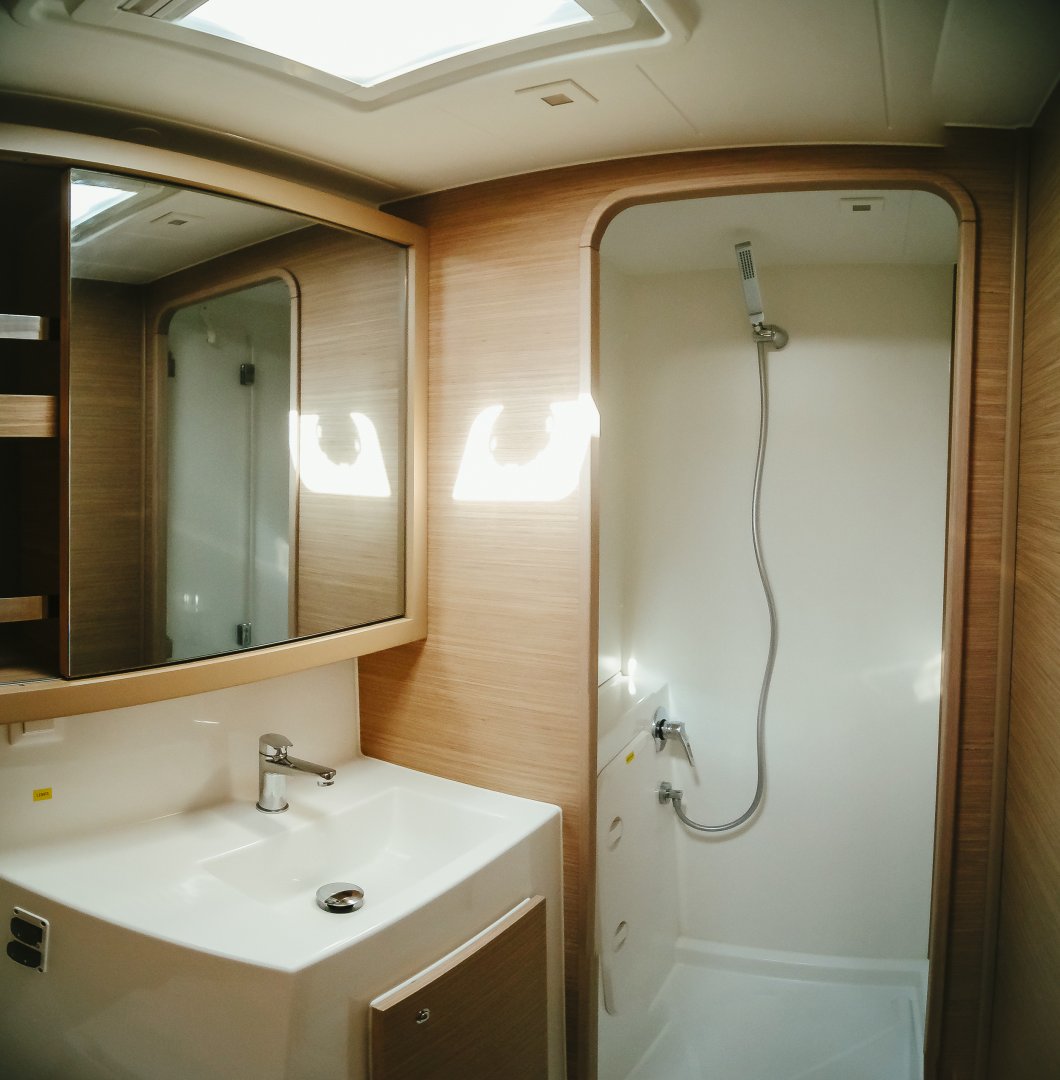
- 4Nasszellen
- 12.9 mLänge42 ft
- Typ
- Katamaran
- Modell
- Lagoon 42
- Baujahr
- 2024
- Länge über alles
- 12.94 m (42 ft)
- Breite
- 6.90 m
- Tiefgang
- 1.35 m
- Motor
- Yanmar
- Kraftstofftank
- 600 L
- Wassertank
- 600 L
- Segel
- Full batten Großsegel · Furling Genua
Für einen Bareboat-Charter dieser Yacht ist ein Segelschein erforderlich — oder buchen Sie einen unserer Skipper und entspannen Sie sich.
Ausrüstung 14 Ausstattungsmerkmale an Bord
Komfort
- Air condition
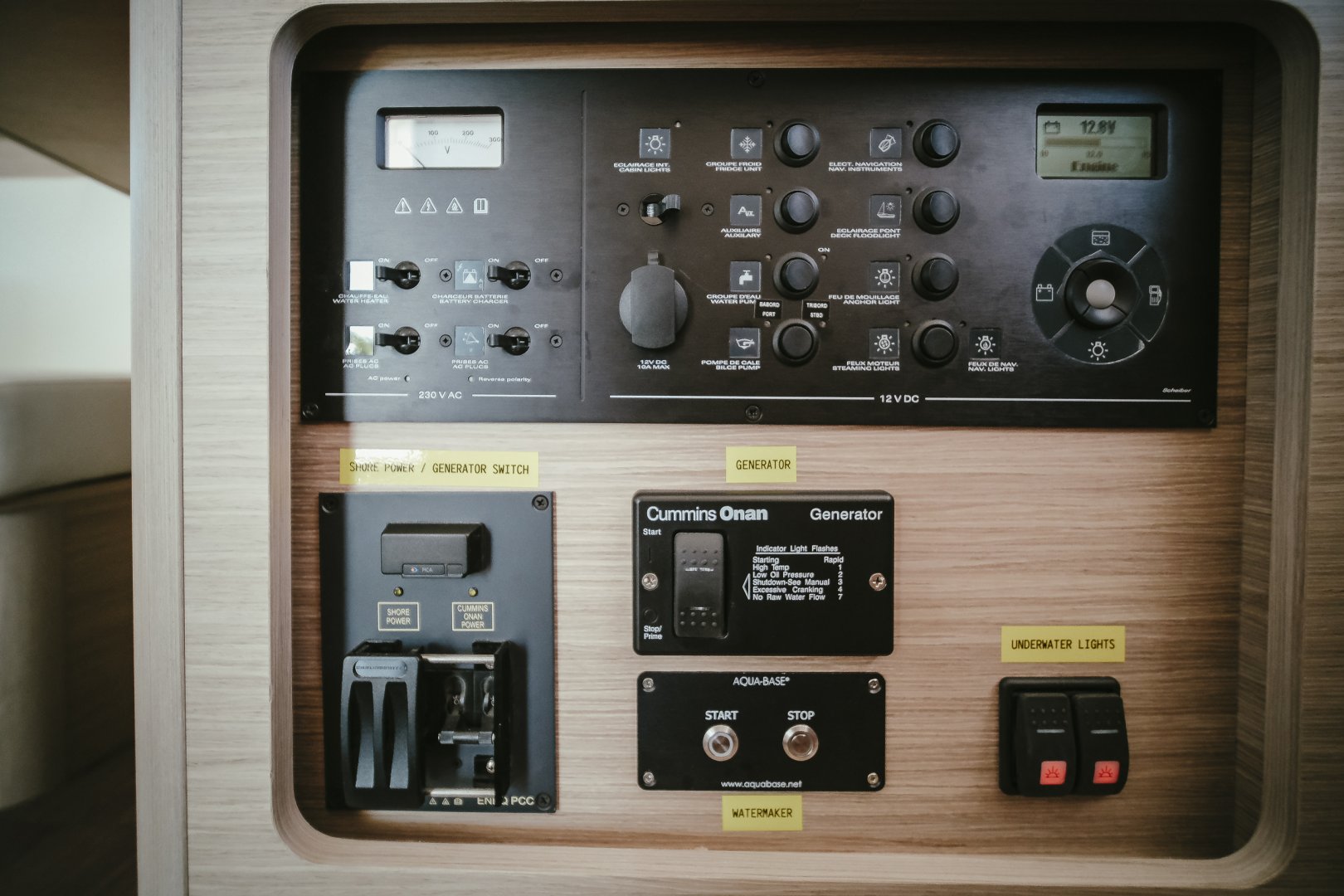
- Generator
- Water maker
- Inverter
- Electric toilet
- Holding tank
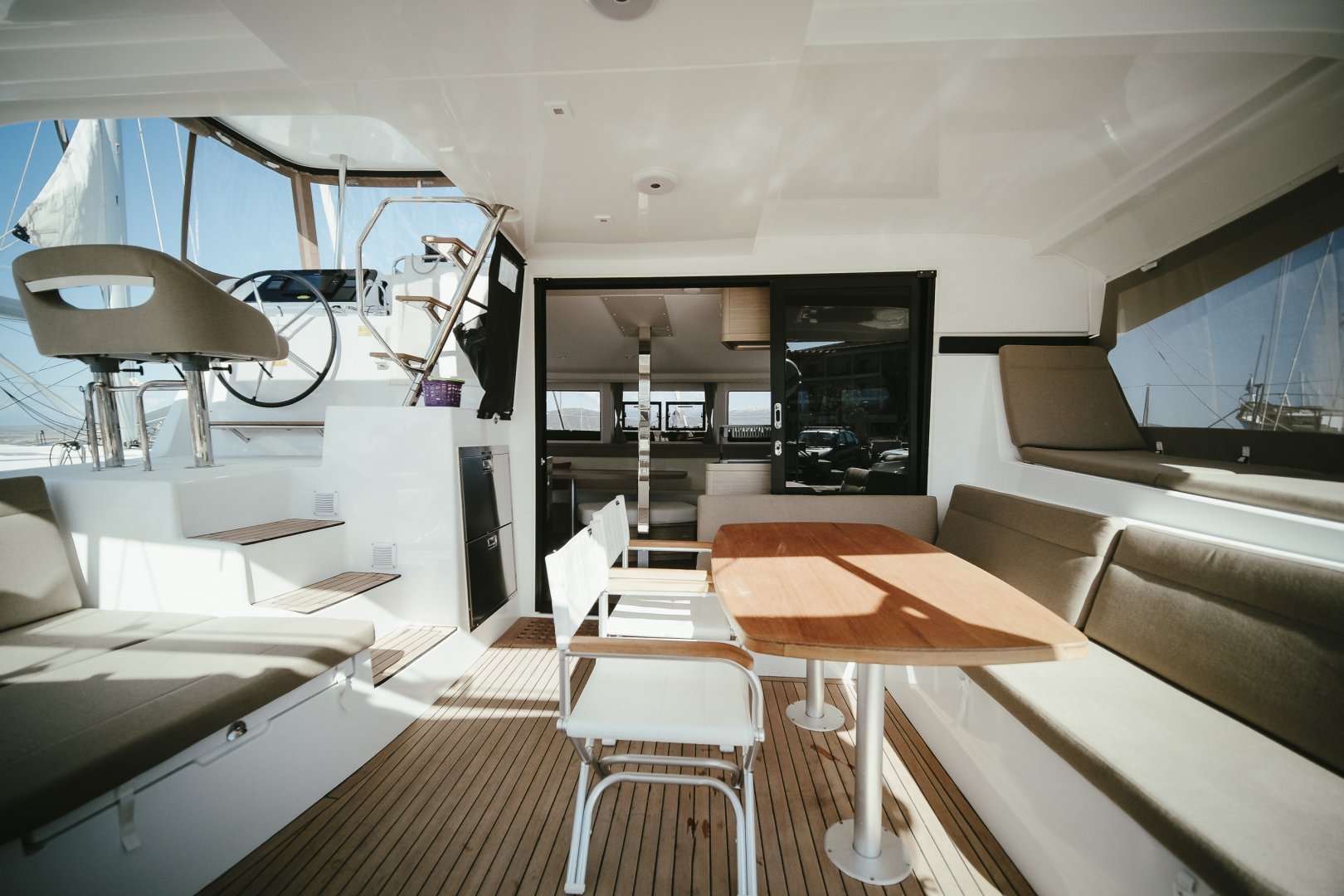
- Cockpit speakers
Segeln & Manövrieren
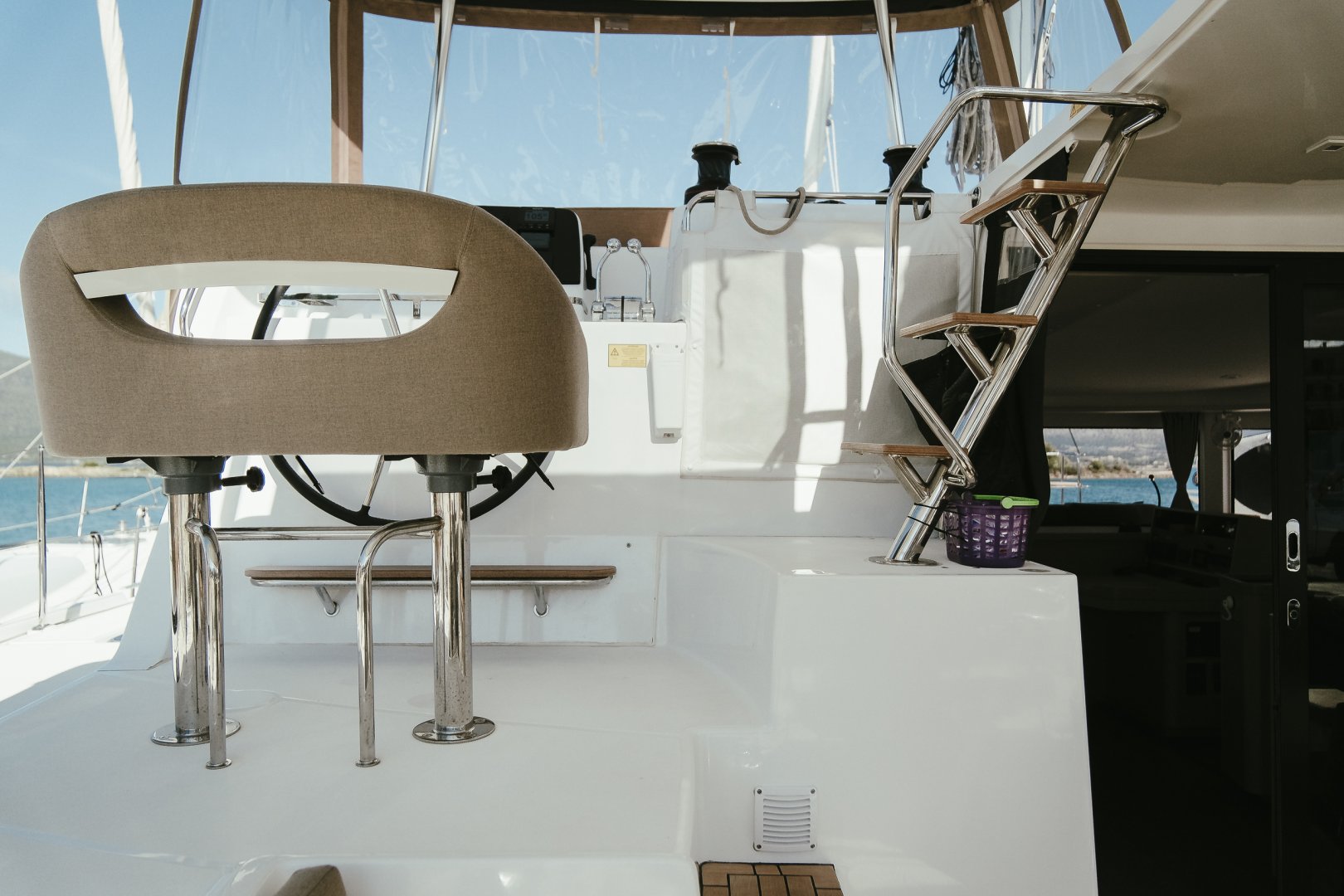
- Autopilot
- Chart plotter
- Hydraulic gangway
Deck & Cockpit
- Bimini
Wasser & Freizeit
- Dinghy
- Outboard engine
- Stand up paddle
Extras Zahlungszeitpunkt siehe unten
Obligatorische Extras
Erforderliche Extras für diese Yacht. Der Zahlungszeitpunkt wird für jeden Posten angegeben:
- Endreinigung€400 pro Buchungzahlbar an der Basis
- Skipper€1,470 pro Wochezahlbar an der Basis
Optionale Extras
19 verfügbar · auf Anfrage, zahlbar an der Basis- Stand-up-Paddle-Board€100 pro Woche
- WLAN mit unbegrenztem Datenvolumen€50 pro Woche
- Sicherheitsnetz einschließlich Anbringung€200 pro Buchung
- Kanu-Kajak€100 pro Woche
- Einfacher Transfer (VOM FLUGHAFEN PRV ZUR BASIS LEFKAS (max.: 8 Personen)€80 pro Buchung
- Crewwechsel€200 pro Buchung
- Früher Check-in bis 14:00 Uhr€150 pro Buchung
- Scubajet€500 pro Buchung
- Kleiner Grill€90 pro Buchung
- Grill (Barbecue)€150 pro Buchung
- Strandtücher€5 pro Buchung
- Automatische Rettungsweste€30 pro Woche
- Haustiere (müssen stets im Außenbereich des Bootes bleiben)€200 pro Buchung
- Crewwechsel an einer anderen Basis€600 pro BuchungEnthalten: Wechsel von Bettwäsche + Handtüchern, Innen- und Außenreinigung, Strom, Auffüllen des Wassertanks, Prüfung der Unterlagen durch die Hafenbehörden.
- TAXI-Transfer (VOM FLUGHAFEN PRV ZUR BASIS LEFKAS (max.: 4 Personen)€45 pro Buchung
- Einwegcharter Lefkas–Korfu (Kraftstoffauffüllung + Überführungsgebühr)€700 pro Buchung
- Hostess + Verpflegung (Trinkgeld nicht enthalten)€210 pro Nacht
- Koch + Verpflegung (Trinkgeld nicht enthalten)€210 pro Nacht
- Skipper + Verpflegung (Trinkgeld nicht enthalten)€210 pro Nacht
Gut zu wissen
Kaution
€3,500
Die Kaution wird beim Check-in per Kreditkarten-Vorautorisierung oder Banküberweisung hinterlegt und nach einem beanstandungsfreien Check-out vollständig freigegeben.
Allgemeine Geschäftsbedingungen
Es gelten die Bedingungen von Manos Yachting.
Allgemeine Geschäftsbedingungen ansehenCheck-in und Check-out
Check-in: Samstag 17:00
Ausschiffung: 09:00 am letzten Tag Ihres Charters
Rückkehr zur Basis: RETURN IN BASE MANDATORY ON FRIDAY THE LATEST AT 17:00
Allgemeine Geschäftsbedingungen lesen — Manos Yachting
FAIRCHARTER 19 The International YACHT-POOL Terms and Conditions
I. Charter Price
The charter price includes the use of the yacht with all accessories according to the inventory list and the additionally accessories contracted
by the charterer, their natural wear and tear as well as costs for the repair of damage due to material fatigue, the care for the charterer and
the yacht during the charter period as well as expenses, general taxes and duties and fees at the start and finish berth as well as the
proportionate costs for the liability and comprehensive insurance of the yacht. Not included in the charter price are any fees for navigating
on waters, areas or harbors, mooring fees outside the starting or finishing berth and fees for checking in or out as well as the costs for supplies
such as diesel fuel or gasoline. Costs for final cleaning, gas, petrol for outboard, bed linen and towels may be included in the charter price,
otherwise these additional costs must be listed separately by the charter company to the charterer in a timely manner before the charter
date.
II. Obligations of the Charter Company
The charter company commits to the charterer:
1. to hand over the charter yacht including complete accessories to the agreed date after full payment of the charter price in a seaworthy,
proper age-appropriate care and technical condition. All prescribed maintenance intervals have been complied with and must also cover
the entire charter period. Particular attention should be given to the maintenance of rescue equipment and safety-related equipment such
as (if available / mandatory) life raft, life jackets, emergency signals, EPIRB, fire extinguishers and the gas cooker system and the completeness
and updating of the nautical charts and navigational instruments.
2. to hand over the shipu0027s papers to the charterer containing all valid certificates, documents, lists, operating instructions of the yacht and
other documents required for entering the contractually agreed maritime area. The contractually agreed exclusively to navigable sea area
as well as possible temporal restrictions must be defined in these documents clearly and without contradiction. The charter company has to
explicitly point out the specifics not obvious to the charterer. All documents must be in English or in the local language of the charterer.
3. to rectify damage or defects arising during the charter period or discovered hidden defects within the contractual framework (see point V).
4. to reimburse downtime in accordance with the contract (see point V). 5. to be available to the charterer during the charter period via
telephone or radio at least during normal office hours.
III. Obligations of the Charterer
The charterer has the following obligations to the charter company:
1. to name all crew members before charter start according to the chartereru0027s instructions (creation of a crew list).
2. to keep the boat ready for check-out at the agreed return location 1-2 hours before the contract expires.
3. to not extend the agreed charter period without approval of the charter company.
4. to keep the yacht within the last 24 hours before the end of the charter in sufficient proximity to the return port, so that even in adverse
circumstances (bad weather), the timely arrival is guaranteed. Weather conditions do not affect the duty of punctual return, unless there is
a case of unpredictable force majeure. If a late return is foreseeable, the charter company must be informed immediately.
5. to notify the charter company immediately if the trip has to be completed at a location other than the agreed return location. In this case,
it is up to the charterer to take care of the boat or to provide sufficiently qualified persons to take care of it until the charter company can
take over the ship. The charter ends only with the takeover of the yacht by the charter company. The charterer must bear the additional
costs incurred by the charter company due to the deviating return location, unless there is a case of unforeseeable force majeure or the
charter company itself has requested the alternative return location or the charter company itself has caused this circumstance by culpable
conduct (e.g., by hidden defects on the charter yacht).
6. to use the yacht and equipment carefully and in accordance with the rules of good seamanship.
7. to familiarize himself with the technical and all other facilities of the yacht before the start of the trip, observe the operating instructions on
board and inform himself in detail about the nautical, geographic and technical characteristics of the area (tides, currents, altered water
levels in strong winds, fall winds, jet effects, etc.).
8. Check the oil level of the engine and the bilges daily and check the sea cooling water circuit after starting the engine. Detected defects
must be remedied immediately. Without sufficient oil or cooling, the engine may only be operated in the event of clear and present danger
to the boat and / or crew to avoid damage. Other necessary maintenance measures during the charter period must be explained by the
charter company to the charterer at the handover and the charterer must be given a prepared maintenance list.
9. to carefully keep a written logbook (in paper) in which the usual nautical entries, records of weather reports, all damage to the yacht and
equipment, groundings and other special incidents (rope in propeller, etc.) are recorded.
10. to navigate with the help of the present, up-to-date nautical chart and to use electronic navigation aids only supportive.
11. if available, to keep a radio book and, if necessary, a customs and notation book conscientiously.
12. immediately report any ground contact and, in the event of suspected damage to the charter yacht, immediately proceed to the
nearest port and arrange for a survey by a diver, and after consultation with the charter company and at his direction, if necessary, craning
or slipping.
13. to carry out damage-avoidance and damage-reduction obligations in the event of damage according to good seamanship and to
fulfill reporting and cooperation obligations to participants, authorities and insurance companies.
14. to observe special wind and weather conditions, to exercise special caution when navigating at night.
15. to only arrive in and run out of ports under engine. To avoid running the engine when sailing, but under no circumstances to operate the
engine when sailing with more than 10 degrees heeling.
16. to keep the battery voltage of all on-board batteries above 12 volts at all times, therefore to charge the batteries in good time via the
engine, any generator or shore power connection, if necessary, consumers should be switched off. Bulk consumers such as anchor windlass
or bow thruster may only be operated if the battery voltage is supported in parallel by the motor, any generator or shore power connection.
17. only to dock up in harbors or moorings in where secure mooring and lying can be ensured over the planned period.
18. to enter the charter yacht only with suitable, clean and non-marking boat shoes.
19. to provide towage assistance to others only in an emergency, to tow the charter yacht only in an emergency and to use own ropes and
lines and then only to cleats, winches or the mast base (never with a bowline-knot), so that the towing can be solved even under pressure
and not to agree on towing and recovery costs, unless the helper otherwise refuses to help.
20. to comply with the legal requirements of the countries of stay, to inquire about any necessary licenses or driving rights in advance.
21. to always duly declare inward and outward and to pay harbor fees accordingly.
22. to report theft of the yacht or its accessories immediately to the nearest police station.
23. to report liability damages immediately to the nearest port authority and to keep a confirmation.
24. not to pass on or re-lease the charter yacht to third parties.
25. not to take on board more persons than permitted or agreed and thus named in the crew list.
26. make no changes to the ship and equipment, unless this serves to ward off imminent damage or has been agreed in advance with the
charter company.
27. not to carry undeclared dutiable goods or dangerous goods or materials, not to participate in regattas or to use the yacht for commercial
purposes (e.g., for training purposes, goods or passenger transport) without the prior written consent of the charter company.
28. not to leave the save and sheltered port or berth if a recognized or general weather forecast indicates that the wind speed in the sea
area concerned is 7 Bft or more for the period planned for the next leg. Only if it is clearly to be feared that the previously protected harbor
or berth is at risk of being threatened due to unexpected weather changes, the nearest protected harbor or berth is to be approached.
29. The contractually agreed sea area (see point II 2) may only be left with the express consent of the charter company. The charter company
has the right to further limit this sea area in case of uncertain or unusual navigation conditions, in terms of space or time (for example, to
pronounce a nocturnal navigation ban).
30. The charterer or skipper is responsible for the management of the yacht and is liable to the charter company or insurer for damages
resulting from the disregard of the required rules of conduct. Within the scope of this contract, the crew members are vicarious agents of the
charterer and / or skipper.
IV. Skipper’s Licenses, Certificates of Competence
The charterer may either be the skipper of the chartered yacht or may designate a crew member of his choice as a skipper. The skipper has
to prove to the charter company the possession of the driving licenses and certificates of competency necessary to guide the yacht in the
entire contractually stipulated sea area. Furthermore, the charterer assures that the skipper has all necessary nautical, navigational and
maritime knowledge and experience to safely manage the chartered yacht under sails and / or engine as specified in point III taking into
account the responsibility for crew and material.
The charter company is entitled to check the skipperu0027s ability to navigate before handing over the charter yacht. For this purpose, he can
demand proof of the previous experience of the skipper prior to the conclusion of the contract and can have the skipper show the licenses
or driving licenses required to navigate the yacht in the agreed class and area of navigation. In the case of obvious inability to qualify for the
safe management of the charter yacht and crew, the charter company may provide or arrange for the charterer to hire a skipper at his
cost. If this is not possible or if the charterer does not agree with this, the charter company may refuse to hand over the yacht; In this case,
the charter price paid will only be repaid on successful chartering at the originally agreed charter price. If further chartering is only possible
at a lower price, the charter company is entitled to the corresponding difference.
V. Impairment of Performance (Charter Contract)
1. Rights of the Charterer:
a) If the charter company does not make the charter yacht available at the latest 4 hours after the contractually agreed date and time, the
charterer is entitled to a proportional reduction in the charter price for the downtime per day started. The same applies mutatis mutandis
during the charter period in the event of damage or defects occurring independently of the fault of the charter company, unless these were
caused culpably by the charterer himself. The charterer has to accept a restriction of use of the yacht of up to 4 h without refund for each
damage event. A restriction of use exists from the time from which the charterer is considerably restricted in the use of the yacht due to a
defect and / or a repair. A reasonable change to the planned itinerary (to allow for repair) and / or repair during normal harbor dock times
is not a use restriction. The charterer may also withdraw from the contract, subject to full refund of the payments made, if more than 24 hours
have elapsed since the agreed delivery date; this period is extended to 48 hours for a charter period of at least 10 days. The charter company
is entitled to provide a reasonable, equivalent to the needs of the charterer and objectively equivalent replacement yacht. If it is already
clear prior to the charter that the boat will not be available and can be handed over at the latest 4 hours after the contractually agreed
date, the charterer has the right to withdraw from the contract before the start of the charter with full refund of the payments made.
b) In the event of negative deviations of the charter yacht, its equipment or accessories from the contractually agreed condition (defects),
the charterer is entitled to a reasonable reduction of the charter price. To rescind he is only entitled if the charter yacht is thereby impaired
in its seaworthiness or if navigating correctly using standard navigation methods is significantly more difficult and thus not only increase the
risks to the safety of the boat and crew insignificant. The charterer must assert a reduction and withdrawal by a written declaration to the
charter company and justify accordingly.
c) If the charter company is not responsible for the impairment of performance, there are no further claims of the charterer against the
charter company with regard to an exemption for consequential damages (e.g., travel / accommodation costs). In this case, however, the
charter company assigns any claims for damages against third parties to the charterer. The charter company must inform the charterer
comprehensively and immediately about such occurrences and the possible consequences.
2. Rights of the Charter Company:
a) Delayed return: If the yacht is not returned within 2 hours after the contractually agreed time by the fault of the charterer, the charter
company may require the pro rata payment of the charter price per day started. In addition, the charter company may blame the charterer
for any economic damage the delayed return incurs (such as the cost of additional personnel to be ordered or held or failure or partial
cancellation of subsequent charter).
b) Different place of return: If the return of the yacht does not happen at the agreed place of return by the fault of the charterer, the charter
company can blame the charterer for compensation for all economic damages incurred thereby (e.g., the cost of taking over at another
location or costs for the return of the yacht on water or on land).
c) Weather conditions do not affect the chartereru0027s duty to return the yacht in accordance with the contract, unless there is a case of
unpredictable force majeure (see also point III.4). Both in the case of late return and if the place of return is different, the charter company
has the obligation to minimize the financial loss and to provide the charterer with proof that the required costs have actually been incurred.
The charterer can provide evidence that no or less damage has occurred.
VI. Cancellation Conditions
If the charterer withdraws from the charter contract, except for the reasons stated under subparagraphs V 1a) and 1b), the contractually
agreed cancellation costs shall apply in relation to the pure charter price. For services, which are also omitted by the abolition of the charter,
no cancellation costs will be charged, such as final cleaning, deposit, bed linen, special equipment. If the charterer cannot start the trip, he
must immediately notify the charter company in writing, whereby the time of the corresponding access of the charter company is relevant.
If a replacement charter succeeds under the same conditions, the charterer will get back the payments made so far, minus a handling fee
of € 150.-. The charterer can only provide a suitable replacement charterer with the agreement and written consent of the charter company,
who will take over the contract. In the case of a replacement charter for discounts or for a shorter period of time, the respective difference
plus the handling fee shall be charged to the charterer. If different delivery and return ports or foreign ports have been contractually agreed,
the compensation will increase by 20% each. The charterer can withdraw from the contract if the costs incurred are not paid on time and
expressly reserves the right to assert further claims for damages due to non-fulfillment of the contract. In all other cases, the charter company
is entitled to the contractually agreed charter price.
The conclusion of a charter cancellation insurance, with special coverage of charter-typical risks (skipperu0027s failure leads to the cancellation
of the entire trip) is therefore strongly recommended.
VII. Terms of Payment
The payment of the charter price is made as agreed in the contract in partial payments or as a total payment. If the agreed payments are
not made on time, the charter company is entitled after fruitless reminder to withdraw from the charter contract and to charter the yacht
elsewhere. The charterer has to replace loss amounts. The contract becomes valid if a signed copy of the contract is submitted to the charter
company or the agent within 10 days of the date of issue.
The full payment of the charter fee to the charter company and the contractual provision of the chartered yacht is confirmed to the charterer
by sending a "boat pass".
VIII. Handing Over of the Charter Yacht
The charterer takes over the yacht at his own responsibility. The charter company or its representative hands over the charter yacht ready to
sail and otherwise in perfect condition to the charterer, cleaned inside and outside, with connected gas bottle and reserve bottle and full
fuel tank. The state of the vessel, all technical functions (especially sails, lights and engines) and the completeness of accessories and
inventory are thoroughly checked by means of a list of equipment and a checklist by both contractors as part of a briefing. The charter
company guarantees that the yacht and its equipment meet the requirements of the laws and regulations applicable in the agreed charter
area. He will make the charterer check the navigational equipment and the nautical auxiliary material such as nautical charts, manuals,
compass, chart plotter, echosounder, log, radio finder aware that despite careful and conscientious maintenance and control malfunctions,
inaccuracies and changes may occur and instructs the charterer on its cooperative duty to regularly check navigation devices and nautical
auxiliary material during the charter period. For the reliability and accuracy of electronic navigation aids, the charter company cannot take
responsibility.
The seaworthiness of charter yacht and equipment is subsequently confirmed by both parties before being handed over by signing the
contract. After this time, objections can no longer be successfully asserted. This does not apply if and to the extent that there were hidden
defects at the time of delivery, even if the charter company is not at fault here. The charterer may only refuse a takeover of the yacht, if the
seaworthiness is significantly reduced, not with only insignificant deviations or defects. The right of the charterer to a reduction (see paragraph
V 1) remains unaffected. When taking over the yacht with the shipu0027s papers (see paragraph II 2), the charter company must provide proof
that the yacht is under liability insurance and comprehensive insurance in accordance with the charter contract and that the premium has
been paid.
IX. Return of the Charter Yacht
The charterer hands the charter yacht to the charter company or his representative ready to sail, in a state stowed according to the checklist,
cleaned inside and outside (unless otherwise agreed), with connected gas bottle and reserve bottle and full fuel tank. The charter company
is entitled to replace used and not replenished material (such as fuel) at the chartereru0027s expense and to calculate the costs for it at a flat
rate. The charter company is entitled to have the insufficient cleaning carried out at the chartereru0027s expense, unless it has been contractually
agreed that the charter company must carry out the cleaning. Both parties jointly review the boats condition and the completeness of the
equipment. Already in case of suspected damage to the yacht, the charterer must notify the charter company and immediately report lost,
damaged or no longer functional equipment upon return. Both the charterer and the charter company create a list of shortcomings and
losses and then use this and the checklist to set up a protocol which is binding after being signed by both parties. If the charter company
refuses to write down an acceptance report or if it does not carry out the return procedure within 2 hours after the agreed return date, the
yacht is deemed to have been handed over without defects. After this time, objections can no longer be successfully asserted. This does not
apply if and to the extent that there were hidden defects upon return, the existence of which the charterer is responsible for as a result of
intentional or grossly negligent acts. In particular, the charter company is not entitled to withhold the deposit for subsequently determined
damages. The sort, extent and amount of damage, which only can be repaired at a later date and possibly after further use of the charter
yacht, must be documented in detail and binding on both parties.
X. Damages
Damages of all kinds and their consequences, collisions, accidents, no maneuverability, breakdowns, confiscation of the yacht or other
special occurrences must be reported by the charterer to the charter company immediately. The charterer must be reachable in case of
damage for instructions or questions by radio or telephone. Damages based on normal wear or material fatigue can be remedied by the
charterer up to an amount of € 150.-without consultation and will be refunded to the charterer under receipt from the charter company. For
expenses exceeding this amount, the charterer informs the charter company, in case of emergency or in case of imminent danger,
commissioning, documenting and supervising the repairs in consultation with the latter and, if necessary, financially submitting the bill.
Replaced parts must be kept. The charterer has to do everything that reduces the damage and its consequences (e.g., failure of the yacht).
If damage cannot be remedied at the current berth, the charterer may be obliged, at the request of the charter company, to resort to
another reasonable port or berth to carry out the repair or to return to the contractually agreed place of return of the yacht earlier (preferably
24 hours before delivery), if this is acceptable and reasonable according to the circumstances. The right of the charterer to a reduction (see
paragraph V 1) remains unaffected.
XI. Liability of the Charterer
The charterer is liable for all damage caused by himself or his crew to third parties and the charter yacht, their equipment or accessories,
especially for such damages due to incorrect operation or poor maintenance (if and as task of the charterer) of the respective aggregates
on board. In case of force majeure, the charterer shall only be liable if and insofar as the risk was culpably increased by the skipper and / or
crew (for example, sailing in the event of a storm warning). Costs for the repair of property damage to the chartered yacht or equipment
culpably caused by the charterer or the crew shall only be borne by the charterer up to the amount of his deposit (see XIV). In the case of
intent or gross negligence, he is also liable for claims by the hull insurer (recourse). If and to the extent that he is at fault, the charterer shall
also be liable for all consequential and default losses (for example, in case of seizure), pursuant to the legal regulations of the respective
country. In the latter two cases, the liability of the charterer is not limited to the amount of the deposit and may even exceed the value of
the charter yacht due to additional costs.
Therefore, the conclusion of a skipper liability insurance covering this risk is strongly recommended.
The charterer shall not be liable for any impairment caused by ordinary wear or tear (such as detaching seams on sails) or damage for which
the charterer and his crew are not at fault. If the charter company provides a professional skipper, he is responsible for the yachtu0027s
management and is liable for damage caused solely by him, but not for damage caused by the charterer and / or the crew. For intentional
or grossly negligent conduct of the charterer or his crew, for which the charter company is held liable by third parties, without any form of
even (co) fault of the charter company, the charterer keeps the charter company, free of all costs and legal proceedings of all private and
criminal consequences at home and abroad. Several charterers are jointly and severally liable. The charterer is fully liable for any damage
that is causally related to knowingly false information about the ability to navigate.
XII. Liability of the Charter Company
Based on the charter contract, the charter company is liable for loss or damage to the property of the charterer or the crew, as well as for
accidents, only if the charter company acted in gross negligence or willful misconduct but never in case of force majeure. The charter
company is liable for damages caused by inaccuracies, alterations or errors in the provided nautical material (such as charts, manuals,
compass, radio direction finder, etc.) only if it does not explicitly inform the charterer or responsible skipper of the yacht about the possibility
of errors or deviations. However, claims for damages resulting from injury to life, body or health based on an intentional or negligent breach
of duty and for other damages based on a willful or grossly negligent breach of duty by the charter company shall remain unaffected by all
agreements.
XIII. Insurance of the Charter Yacht
For the charter yacht a comprehensive insurance for property damage to boat and equipment is concluded. In addition, a boats liability
insurance (without deductible) with a lump sum for personal injury and property damage is existent. The coverage of the boatu0027s liability
insurance is at least one million euros or dollars, depending on the currency of the policy.
Losses caused by accidents on board, damage to the goods carried by the charterer and the crew, as well as intentional or grossly negligent
damage are not covered by the comprehensive insurance, so that in principle not the charter-company, but the responsible person (costu0002by cause) is liable for the fault. The existence of a comprehensive insurance does not mean indemnity of the charterer by the charter
company for damages that the comprehensive insurance company on the basis of intent, gross negligence or disregard of the provisions of
the charter contract (for example, leaving the agreed sailing area) does not assume or in respect of which the hull insurer can take recourse.
XIV. Deposit
The charterer pays – unless otherwise agreed – a deposit in accordance with the charter contract. The deposit must be paid at the latest
when the yacht is handed over in cash, by credit card or in advance by bank transfer. Per sailing cruise, the charterer is liable up to this
amount, for damages to the chartered yacht and its accessories, lost equipment and theft, if the loss was caused by the charterer or the
crew. At the return of the yacht and damage-free course of the charter the deposit is immediately due for repayment. If a possible repair
can or should only be made at a later date and if it can be foreseen that the expenses will amount to less than half of the deposit, then at
least half the share is due for repayment immediately.
XV. Further Agreements, Generals, References
1)Legal Classification / Liability of parties (Charter Agency / Charter Company / Charterer):
If the charter contract is concluded via a charter agency, it acts as an intermediary between the charterer and the charter company. A
liability of the mediating agency takes place exclusively within the scope of the tasks and responsibility of a mediator from the contractual
relationship existing with the charterer. In this contract, as well as in any future contract amendments and unilateral declarations of the
charterer to the charter company the agent acts as authorized representative on behalf and on account of the charter company and is
entitled to collect payments.
2) Price List, Deviations, Modifications
If there are any doubts or ambiguities, the prices apply in accordance with the current price list of the charter company. In the event that
taxes, fees or charges, which are included in the charter price by law, increase or decrease, without the parties have any influence, charter
company and charterer agree to a corresponding adjustment of the contract.
3) Deviating Charter Contracts / Secondary Contracts to be signed on spot
Due to regulations in the country of the charter company, the charterer may need to have a charter contract on board, which is written in
the language of the host country.
If the national secondary agreement deviates in content from this contract and its "International T u0026 C of the YACHTPOOL FairCharteru0002Contract", it is agreed between the charter company and the charterer that only this contract applies between them according to its
"International T u0026 C of the YACHT-POOL FairCharter-Contract".
Charterer and charter company, in agreement with the agent (charter agency), declare that a national secondary contract signed
between charter company and charterer has no effect on and against the agent.
4) GPS-Tracking of the Charter Yacht
The charterer agrees that the boatu0027s location can be recorded by means of electronic systems ("tracking") and transmitted to the charter
company and in the event of damage to the insurer. The privacy policy of the charter company applies.
XVI. Concluding Provisions (applicable law, severability clause)
The chartering takes place according to the legislation existing in the charter area. Verbal promises or side agreements are only valid for
both parties after written confirmation. Should any provision of this contract be or become invalid in whole or in part, this shall not affect the
validity of the remaining provisions. In place of the invalid provision, a provision shall be deemed to have been agreed which comes closest
to the economic purpose of the parties. The same applies in the case of a contractual gap.
Standort der Yacht D-Marin Marina Lefkas 25 km von PVK – Aktion Airport
Der Check-in findet an der Basis der Chartergesellschaft statt. Den genauen Treffpunkt, die Anfahrtsbeschreibung und die Check-in-Zeit erhalten Sie mit Ihrer Buchungsbestätigung.
In Google Maps öffnen (öffnet sich in einem neuen Tab)Die Karte wird nach Ihrer Cookie-Einwilligung geladen · In Google Maps öffnen
Erfahrungen unserer Gäste
Das sagen Gäste über YOLO Charters
Lesen Sie unsere Unternehmensbewertungen auf GoogleGoogle Maps
Das sagen Gäste über YOLO Charters
Lesen Sie unsere Unternehmensbewertungen auf GoogleDiese Bewertungen beziehen sich auf YOLO Charters als Unternehmen; sie sind keine gesonderte Bewertung für Acantha.
Häufig gestellte Fragen
Die Charterbedingungen werden von Manos Yachting bereitgestellt. Allgemeine Geschäftsbedingungen ansehen. Siehe Gut zu wissen. Falls Sie Fragen haben, kontaktieren Sie YOLO Charters vor der Buchung.
Check-in: Samstag 17:00
Ausschiffung: 09:00 am letzten Tag Ihres Charters
Rückkehr zur Basis: RETURN IN BASE MANDATORY ON FRIDAY THE LATEST AT 17:00
Zuzüglich 2 obligatorischer Extras, zahlbar an der Basis Extras ansehen
Noch unentschlossen? Haben Sie besondere Wünsche?