


YOLO Charters · Charter Planning · 4 September 2026
Cover: Lemon’s cockpit table and twin helm positions. Photo: YOLO Charters fleet library.
The bags are on the quay, someone has found the cold drinks, and everybody is ready for the holiday to begin. Before you settle into the cockpit, give the handover your full attention. It is your best chance to ask the small questions that make the rest of the week easier.
This yacht charter handover checklist is a guide to what to discuss, not a substitute for the operator’s inspection or the skipper’s competence. Whether you have booked a sailboat or a catamaran in the Ionian, the briefing needs to be about that particular yacht.
1. Arrive with the paperwork already in order
Keep the booking confirmation, requested identity documents and any accepted original sailing qualifications accessible. Complete crew information through the operator’s designated process before arrival where requested. Sorting out missing documents beside the yacht is a frustrating start for everyone.
Confirm who needs to attend each part of check-in. On a bareboat charter, the accepted skipper needs the full operational handover; another crew member listening and taking notes can be helpful. On a skippered charter, guests still need an explanation of everyday systems and the onboard safety routine.
Our Preveza arrival guide covers the airport, meeting point and first shop. Keep those jobs from competing with the time set aside for the yacht briefing.
2. Walk through the condition of the boat together
Follow the operator’s check-in record with the representative. Look at the areas and equipment you will use, and raise anything that appears damaged, missing or unclear. Ask for existing issues to be recorded in the agreed check-in process before accepting the document.
Photographs can support that record. Make sure they identify the item and location clearly, and ask how they should be attached or submitted. A collection of pictures on one person’s phone is less useful than an agreed record both sides can refer to.
Read what you are asked to sign. If the document does not match what has been discussed, have it corrected before signing. Keep access to the completed record for the return.

3. Learn the systems you will live with
Ask the representative to demonstrate the relevant controls and let the crew explain back what they have understood. There is no prize for pretending every yacht works like the last one.
- Water: which supplies are for drinking, how tank levels are checked and the agreed refill procedure.
- Power: what works away from shore power, which appliances are permitted and what warnings need attention.
- Toilets and waste: the exact operating routine and local disposal requirements.
- Galley and refrigeration: how the equipment is used and secured, including the shutdown routine.
- Access and storage: hatches, doors, lockers, bathing access and where loose items belong before departure.
The skipper also needs the full technical briefing for the yacht’s sailing, propulsion, anchoring and other operational systems. This short list deliberately does not attempt to teach those procedures.
4. Make the safety briefing a whole-crew conversation
Everyone should know the skipper’s rules, where their appropriate safety equipment is kept, how to move around the boat and what to do if help is needed. Ask for lifejackets to be checked for suitability and fit; children’s requirements should have been discussed before arrival. The RNLI’s lifejacket guidance is useful background reading.
Be clear about who supervises children, who helps during manoeuvres and when guests should stay seated or clear of working areas. Tender trips and swimming need their own instructions. Guests should never have to guess whether an activity is safe simply because someone else is doing it.
If something is unfamiliar, ask for the explanation again. This is exactly the right moment.
5. Save the support contact and return arrangements
Know whom to contact for a technical question during the week, what information to provide and which channel the operator wants you to use. Keep those details available offline. Follow the crew briefing for emergencies rather than assuming an ordinary support message is an emergency response service.
Check the return-to-base deadline separately from final disembarkation. Ask how the return inspection, fuel accounting and any outstanding items will be handled. Use the instructions for your booking; procedures remembered from another charter may differ.
For questions about payment or security arrangements, keep the charter costs and deposit guide handy, then refer to your agreement for the terms that apply.
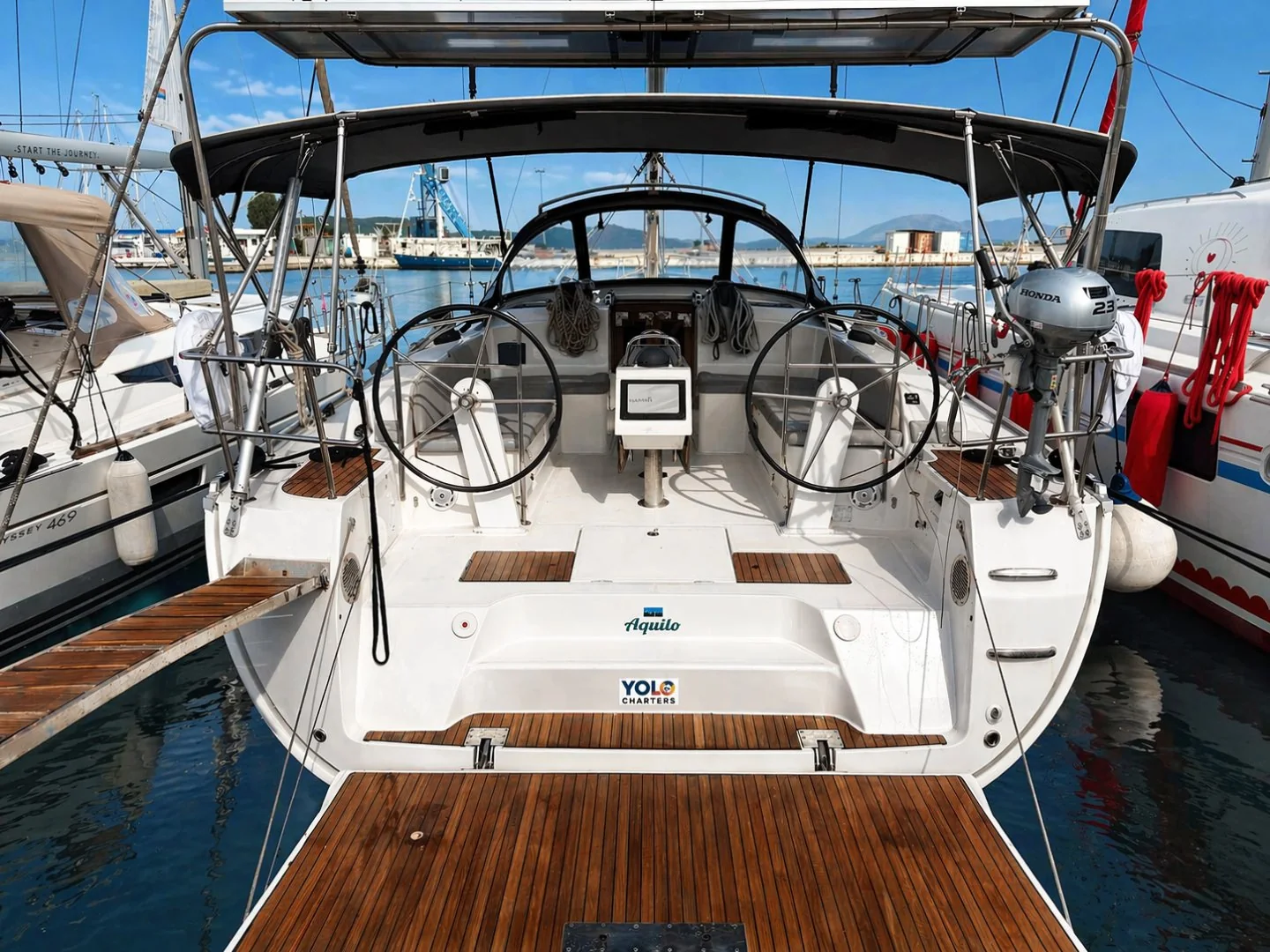
Before the lines come off
The essential question is simple: has the skipper received and understood the required briefing, have outstanding issues been resolved with the base, and does the crew know its routine? Departure still depends on the completed formalities, yacht readiness and conditions.
Leave the first afternoon free of promises that depend on reaching another island. A careful start is time well spent. Once the handover is complete, the cockpit drinks and the rest of your Ionian sailing holiday can have your attention.
Before arranging handover, compare Preveza yacht charters and confirm the exact departure base and check-in arrangements for your chosen boat.
Arrive ready for your yacht
If you have a booking, send us any questions about your handover or inventory. Still planning? Tell us your dates and whether you need a skipper.
A planning guide from YOLO Charters. Your confirmed quotation, charter agreement and handover instructions govern your booking. Sailing decisions remain subject to weather, local rules and the skipper’s judgement.